
How Weather Shifts and Hailstorms Threaten Your Roof’s Integrity
Extreme weather events are no longer unpredictable outliers; they are reshaping the landscape of roof risk for homeowners across the nation. In recent years, violent hailstorms and erratic weather patterns have escalated in both frequency and intensity, creating significant challenges for residential roofing systems. Understanding the mechanisms behind these storm conditions, how they affect roofing materials, and what homeowners can do to safeguard their property is essential in today’s climate.
The Dynamics of Hail Formation and Severe Weather
Hail develops within powerful thunderstorms where strong updrafts drive raindrops high into freezing atmospheric layers, causing them to collect layers of ice before gravity pulls them back to Earth. The size of hailstones can vary dramatically, from pea-sized pellets to baseball-sized chunks, with destructive potential increasing exponentially with size, density, and wind velocity during storms. Hailstorms can occur in virtually any region with thundercloud activity, making them a widespread roofing hazard.
Beyond hail, modern weather volatility includes intense wind gusts, temperature swings, heavy precipitation, and ice accumulation. These factors converge to place unprecedented stress on roofing systems that were originally designed for more stable weather patterns. As severe weather becomes more commonplace, roofs face long-term wear and sudden impacts that can compromise performance in multiple ways.
How Hail Impacts Roofing Materials
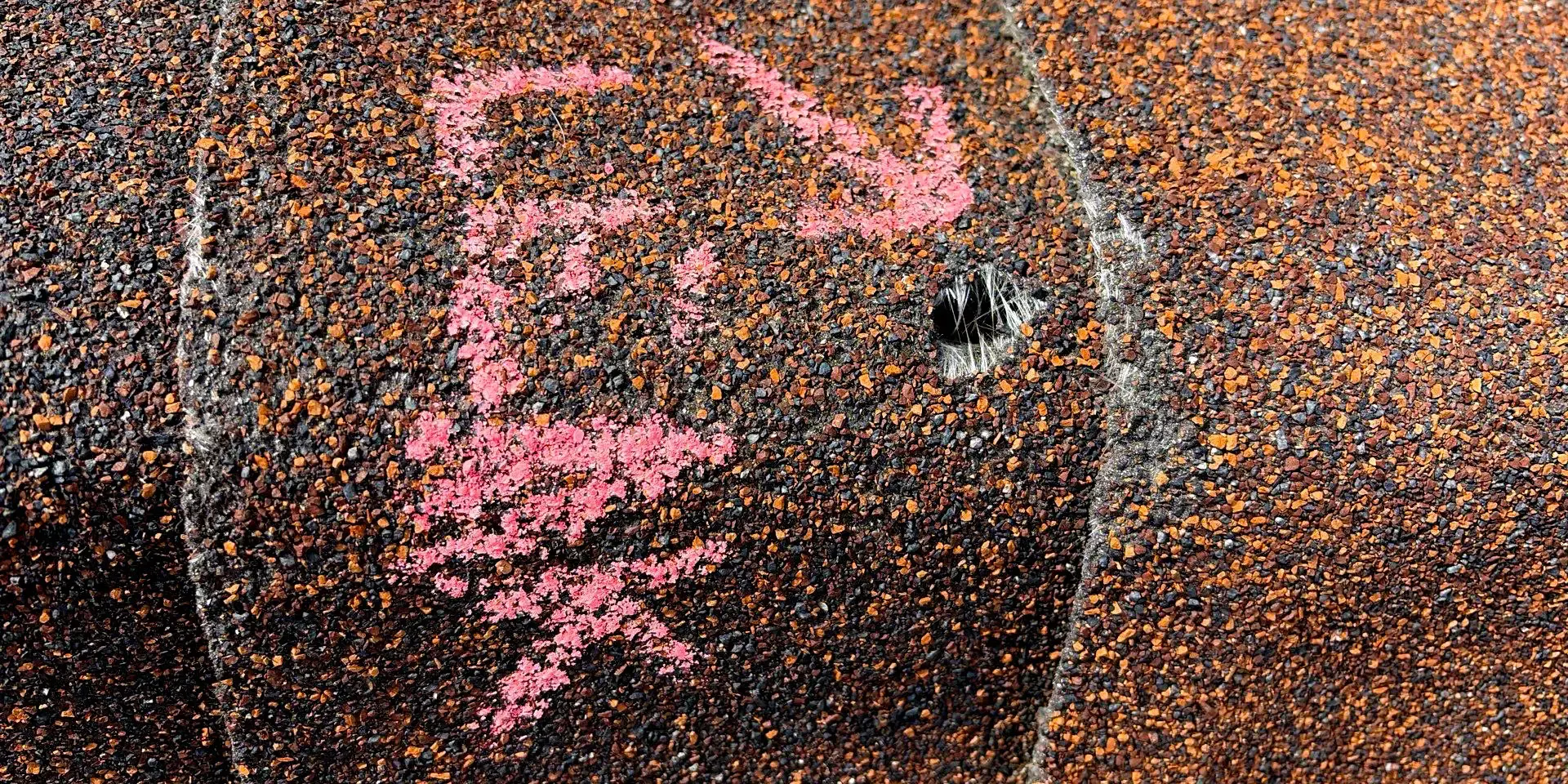
When hailstones strike roofing materials, they transfer kinetic energy that can cause both visible and hidden damage. On asphalt shingle roofs, impacts often knock off protective granules, bruise the shingle surface, or create hairline fractures that may not be visible from the ground. These subtle damages accelerate aging and diminish the roof’s ability to shed water and resist ultraviolet degradation.
Metal roofing, while generally more resistant to punctures, can dent severely under hail assault. These dents may look cosmetic at first but can compromise protective coatings, leading to corrosion and moisture intrusion. Ceramic or slate tiles, though heavy and robust, are susceptible to cracking or shattering when struck by larger hail. Even minor impacts on roof flashing, vents, skylights, or gutters can create critical weak points that lead to leaks and interior damage.
The Hidden and Long-Term Consequences of Hail Damage
One of the most insidious aspects of hail impact is damage that remains unseen until it triggers more severe problems. Hairline cracks in shingles and compromised underlayment can allow water to penetrate roofing layers, fostering rot, mold growth, insulation deterioration, and structural weakening over time. These conditions often evolve slowly, making regular inspections essential to catch latent damage before it becomes costly.
Damage to roof components like flashing and vents can also open pathways for water intrusion even without obvious surface breaks. Compromised flashing around chimneys and skylights is a common source of leaks after hail events, as impact forces can loosen or bend metal parts that were originally fitted to form watertight barriers.
Recognizing Weather-Induced Roof Damage
Accurate damage identification is critical. On asphalt shingles, look for random dark spots indicating granule loss, soft spots underfoot, or surface depressions. On metal roofs, dents and paint loss signal impact. Tile roofs may show chips, fractures, and broken pieces on the ground. Granules collected in gutters or downspouts after a storm are another telltale sign that hail has compromised the protective layer of shingles.
In many cases, damage is subtle and localized, requiring close inspection by experienced professionals to differentiate between cosmetic imperfections and functional impairments that warrant repair or replacement. Documenting these signs with photographs after a storm is essential for insurance purposes and effective damage assessment.
Weather Changes Amplifying Hail Risk
Climate-related weather volatility has altered the traditional hail risk zones, pushing severe hail events into regions previously considered low risk. Changes in temperature gradients, moisture content in the atmosphere, and storm elevation dynamics have contributed to more frequent and intense hailstorms. As a result, areas outside of historically hail-prone regions are now experiencing damaging hail events with greater regularity.
This shift necessitates broader awareness and readiness among homeowners and roofing professionals alike, as well as adjustments in how properties are insured and maintained to reflect evolving weather patterns.
Proactive Steps to Protect Your Roof
Homeowners can take specific measures to mitigate the impact of hail and severe weather:
Schedule regular inspections, especially after major storms, to identify early signs of damage. Professional inspections uncover issues that may be invisible to the untrained eye and provide documented evidence for insurance claims if needed.
Consider upgrading to impact-resistant roofing materials with higher durability ratings. Materials rated Class 3 or Class 4 under UL 2218 testing standards provide enhanced protection against hail impact and can extend the life of your roofing system.
Maintain all roof accessories and components, including gutters, vents, and flashing, to ensure they remain secure and functional. Reinforced elements prevent small hail damage from escalating into larger structural issues.
Documentation is key: after a hail event, thoroughly photograph all visible damage and keep detailed records of weather conditions. This documentation supports insurance claims and helps contractors assess the full extent of the issue.
When professional assessment and repair are necessary, choose qualified roofing experts with experience in storm damage evaluation and restoration. Local specialists, such as GCCS Roofing, LLC in Littleton, CO, offer region-specific knowledge and tailored solutions for hail-impacted roofs.
Insurance and Financial Considerations
Hail damage accounts for a significant percentage of roofing-related insurance claims, often resulting in increased premiums and higher deductibles. Timely reporting and documented inspections are critical to avoid claim denials, especially for damages that insurers may initially classify as cosmetic rather than functional.
Understanding your policy’s coverage, including whether cosmetic damage is included and what timelines apply for filing claims, helps homeowners make informed decisions about repair versus replacement. Prompt action not only preserves roof performance but also protects long-term financial assets.
Conclusion
Hailstorms and shifting weather patterns pose real and growing threats to roof systems everywhere. With proper understanding, vigilant inspection, and proactive maintenance, homeowners can significantly reduce the risk of extensive damage and costly repairs. Advanced materials, professional evaluations, and informed insurance strategies are central to weatherproofing your home against the evolving storm threats of today and tomorrow.