Essential Indicators Your Roof Requires Prompt Repair
Your roof serves as the critical protective barrier for your entire home. Detecting early warning signs of roof damage empowers you to address problems swiftly, preserving structural soundness, preventing interior destruction, and minimizing costly repairs. Drawing on comprehensive industry insights and proven diagnostic criteria, this thoroughly detailed guide outlines the primary signals that your roof needs professional attention.
Visible Shingle Damage and Deterioration
One of the most conspicuous signs that roof repair is necessary is damaged or missing shingles. Asphalt shingles protect your roof from water intrusion, wind, UV exposure, and physical wear. When these shingles crack, curl at the edges, break apart, or are missing entirely, the underlying roof deck becomes exposed to the elements, accelerating deterioration. In addition to visible breakage, significant granule loss—where sand-like particles accumulate in gutters—indicates that shingle protective layers are failing. Extensive granule loss often signals that the shingles are approaching the end of their useful life and may be less effective at shedding water and resisting impact.
Water Stains and Interior Leaks
Water stains on ceilings, walls, or in attic spaces almost always signal that moisture is penetrating the roof. These stains may appear as brownish discolorations or peeling paint and can be accompanied by a musty odor. Attic inspections can reveal damp insulation, dark streaks, or wet wood, all of which suggest ongoing leaks. Early detection of interior water infiltration prevents secondary damage such as mold growth, wood rot, and compromised insulation performance.
Sagging Roof Lines and Structural Deformities
A roof that appears saggy or uneven when viewed from the ground or inside the attic is cause for immediate concern. Sagging often reflects underlying structural issues such as compromised roof decking, rot, or failed support systems. This condition worsens over time and can lead to partial or complete roof collapse if left untreated. Structural concerns should be evaluated by qualified professionals to determine the scope and urgency of repairs.
Damaged Flashing Around Roof Penetrations
Roof flashing—typically installed around chimneys, vents, skylights, and other roof penetrations—creates water-tight seals at vulnerable transition points. Flashing that is cracked, rusted, lifted, or separated from adjoining materials can allow moisture to enter beneath the roof covering. Given that flashing failure often leads to concealed leaks, thorough assessments of these areas during inspections are crucial.
Light Visible Through the Roof Deck
If daylight is visible through roof boards when inspecting the attic, the roof deck has gaps, holes, or separations. Light penetration not only indicates openings that allow weather and pests into your home but also highlights compromised roof integrity. Finding light in one or multiple locations suggests that the roof is not serving as a continuous protective barrier.
Moss, Algae, and Mold Accumulation
Organic growth such as moss, algae, or mold on the surface of roofing materials is more than an aesthetic concern. These organisms retain moisture against the roof surface, which encourages shingle decay, accelerates wear, and can allow water to penetrate beneath protective layers. Persistent moisture problems may also indicate poor attic ventilation or drainage.
Unexplained Increase in Energy Costs
A significant and unexplained jump in heating or cooling costs can indirectly point to roof issues. When roof insulation becomes compromised or air infiltration occurs due to damaged roofing components, indoor climate control becomes less effective. As conditioned air escapes or outdoor air enters the living space, HVAC systems must work harder to maintain comfortable temperatures, driving up energy bills.
Gutters Overflowing With Debris and Granules
Roof gutters perform a vital role in directing water away from your home. When gutters are frequently clogged, pull away from the roofline, or contain substantial shingle granules, it often points to deteriorating roofing materials. Granule accumulation in gutters typically indicates that shingles are shedding their protective coating, a precursor to accelerated roof wear. Standing water in clogged gutters can also back up under roofing edges, exacerbating leaks.
Ice Dams and Freeze–Thaw Damage
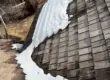
In colder climates, ice dams can form when heat escaping from the attic warms roof surfaces, melting snow. Meltwater runs down and refreezes at colder roof edges, forming icy barriers that trap additional water. This trapped water can seep beneath shingles and enter the roof structure, causing moisture damage. Ice dams also stress roofing materials and can tear shingles or flashing during freeze–thaw cycles.
Persistent Roof Leaks After Storms
Even when visible damage isn’t immediately obvious after severe weather events such as hail, windstorms, or heavy rainfall, lingering leaks and damp spots should trigger roof assessments. Storm damage can loosen or displace shingles, bend or crack flashing, and create small tears that develop into larger problems over time. A professional inspection after major weather events ensures that subtle but critical damage does not go unnoticed.
Given the complexity of roofing systems and the subtlety of some warning signs, homeowners benefit from scheduled professional evaluations. A licensed roofing contractor can provide in-depth assessments, accurate diagnostics, and strategic repair solutions tailored to your roof’s materials, age, and local weather conditions. Whether spotting early shingle wear, addressing structural concerns, or diagnosing leak origins, expert attention ensures that problems are resolved effectively and cost-efficiently. In Littleton, Colorado, trusted local services like GCCS Roofing, LLC deliver comprehensive roofing inspections and repairs that safeguard homes against long-term damage.
CONCLUSION
Accurately identifying signs that your roof needs repair is essential for preserving your home’s structural integrity and comfort. Addressing damage early avoids more extensive repairs or premature roof replacement, protects interior spaces, and sustains energy efficiency. Regular roof evaluations, especially after severe weather or seasonal shifts, support a proactive maintenance strategy that prolongs the life of your roofing system and helps maintain your property’s value.