Compelling Reasons to Avoid DIY Roofing Projects and Why Professional Expertise Matters
The Hidden Dangers of DIY Roofing Work
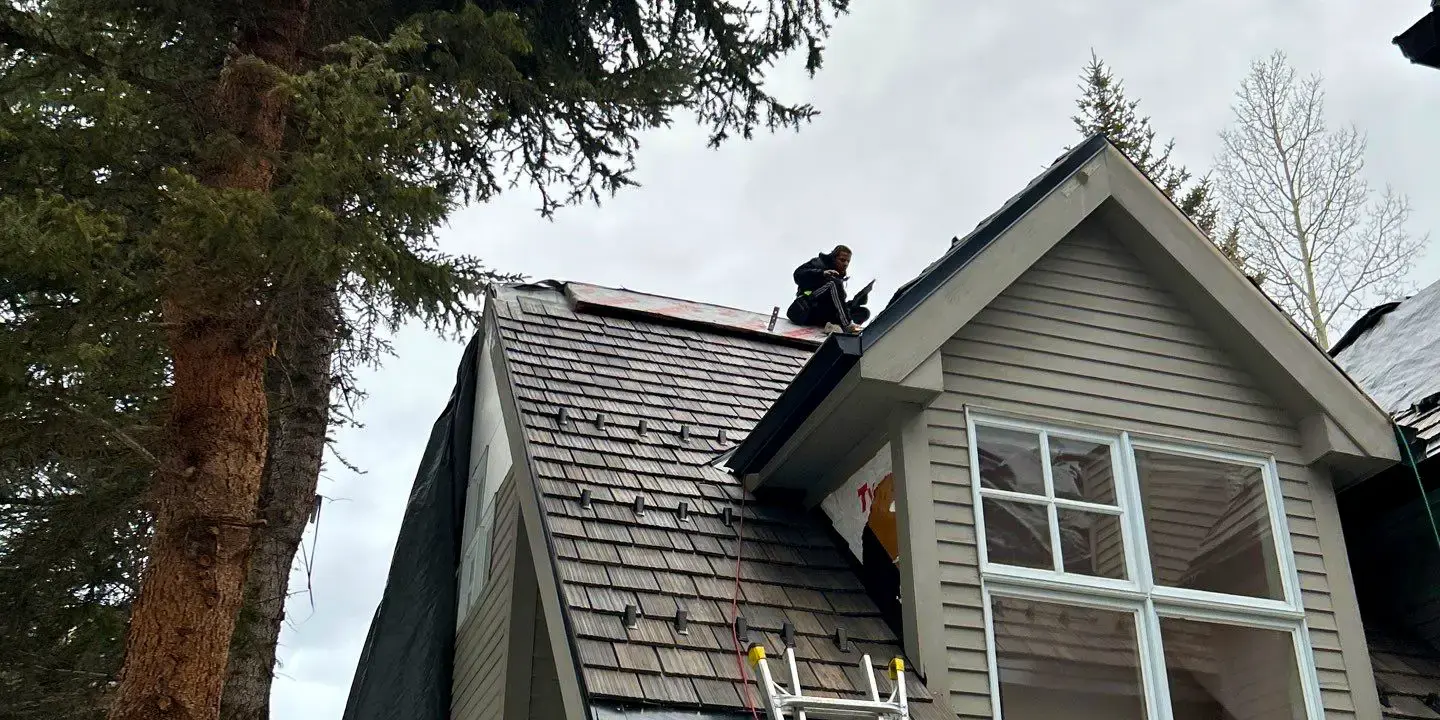
Attempting to undertake roofing repairs or installation without professional training exposes homeowners to significant safety hazards that go far beyond ordinary home improvement tasks. Roofing involves working at heights where the risk of falls is inherently high. Without comprehensive safety gear—such as harnesses, fall arrest systems, helmets, and non-slip footwear—individuals can suffer serious injuries or worse. Even on a clear day, climbing ladders, maneuvering around complex roof planes, and handling materials on unpredictable surfaces increases the chance of accidents dramatically. This elevated risk is compounded during adverse weather conditions, when wet or icy surfaces make footing unstable and magnify the potential for life-threatening falls.
Inadequate Tools Lead to Subpar Results and Increased Costs
Roofing projects require specialized tools and equipment that the average homeowner simply does not possess. Professional roofing contractors invest in high-quality, industry-specific gear designed for precision, efficiency, and safety. Without these tools, DIY efforts often result in improper material installation, inaccurate measurements, and inefficient workflows. This not only compromises the structural integrity of the roof but also leads to costly mistakes that require professional correction. In many cases, the expense of fixing errors far exceeds what it would have cost to hire a professional from the outset.
Complex Materials and Techniques Demand Expertise
Modern roofing systems are intricate combinations of underlayment, flashing, fasteners, shingles or membranes, ventilation components, and sealants. Each of these elements must interact seamlessly to create a weather-tight envelope that protects the home from water intrusion, wind damage, and energy loss. Professionals possess a deep understanding of how these components work together and how to select the right materials for a specific climate, roof pitch, and architectural design. DIY projects often overlook these nuances, leading to poor craftsmanship, compromised performance, and premature roof failure.
Structural Damage Results from Improper DIY Repairs
A roof is not merely a surface; it is a vital structural component of a home. Mistakes such as incorrect shingle placement, improperly sealed flashing, or neglecting to address hidden underlying issues can cause water intrusion that deteriorates sheathing and framing over time. Unchecked water infiltration fosters mold growth, rot, and structural compromise that extend well beyond the roof itself, affecting ceilings, walls, and interior finishes. These cascading effects dramatically increase long-term repair costs and reduce the overall life of the roofing system.
Voided Warranties and Lost Manufacturer Protections
Roofing materials often come with manufacturer warranties that protect homeowners against defects in materials when they are installed by certified professionals. Undertaking a DIY roofing repair or installation will almost always void these warranties, leaving you solely responsible for any future issues. Loss of warranty protection means that even minor problems arising from material defects must be fully funded by the homeowner, eliminating one of the key financial safeguards designed to preserve the roof’s performance and lifespan.
Time Investment and Unexpected Delays
A seemingly straightforward roof repair can quickly become a weeks-long ordeal when attempted without experience. Homeowners may underestimate the labor involved, encounter unforeseen complications, or need to repeatedly pause work due to weather or safety concerns. In contrast, professional roofing crews work systematically with trained coordination, weather planning, and project management that minimize downtime and ensure efficient completion. The extended time required for a DIY roofing project not only disrupts daily life but also leaves your home exposed to the elements longer than necessary
Financial Implications of DIY Mistakes
While saving money is a common motivation for DIY home improvement, roofing is an area where well-intentioned savings can backfire. Costly errors such as misdiagnosing the root cause of a leak or using inappropriate materials can escalate into major repairs. In many cases, these mistakes necessitate hiring a professional roofing contractor anyway—on top of the time and money already spent—resulting in a higher total investment than hiring professionals initially.
Insurance, Claims, and Professional Accountability
Major roofing issues often coincide with storm damage or other insurable events. Insurance companies typically require that documented repairs and replacements are performed by licensed professionals in order to process claims. A DIY attempt, even with the best intentions, can complicate insurance settlements by raising questions about workmanship and responsibility. Hiring qualified roofing professionals removes this burden by providing documented work history, liability coverage, and accountability that align with insurance requirements.
Conclusion
DIY roofing projects pose a spectrum of risks that extend from immediate physical danger to long-term financial strain. Safety hazards, improper techniques, structural damage, voided warranties, and insurance complications all contribute to why roofing work should be entrusted to experienced professionals. For homeowners seeking reliable, durable roofing solutions, partnering with skilled roofing experts offers peace of mind, exceptional craftsmanship, and protection for one of the most critical elements of your home’s structure. Whether facing storm damage, aging materials, or routine maintenance, professional roofers deliver results that safeguard your investment and ensure lasting performance. GCCS Roofing, LLC is an example of a trusted roofing service provider in Littleton, CO, equipped to handle complex roofing needs with expertise and precision.