How to Protect Your Roof from Ice Dams — A Comprehensive Homeowner’s Guide
What Are Ice Dams — and Why They’re Dangerous
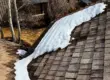
An ice dam forms when snow accumulates on a sloped, heated-roof building and then melts due to heat escaping from the attic or living spaces. The meltwater flows down the roof and reaches the colder roof edge (eaves), where it refreezes, creating a ridge of solid ice. This ice ridge prevents further runoff, causing more meltwater to pool behind the dam and potentially seep under shingles.
The resulting trapped water can leak into the building, damaging roofing materials, insulation, ceilings, walls and even flooring. Over time, repeated freeze-thaw cycles can loosen shingles, weaken roof flashings, damage gutters, and create conditions for mold or mildew in attic and interior spaces.
Besides structural and cosmetic damage, ice dams pose safety hazards — falling icicles and ice sheets can injure people or destroy gutters and landscaping below.
How Ice Dams Form — The Underlying Mechanism
Uneven Roof Temperatures Trigger the Problem
Three conditions are necessary for ice dams: freezing outside air, a thick snowpack, and a warm roof surface caused by escaping indoor heat.
Warm air rising from living spaces can leak through attic gaps, poor insulation, or inadequate ventilation. That heat warms the roof deck, causing snow in contact with it to melt. When this meltwater reaches the colder eaves, it refreezes — starting the ice dam. Over time, as more snow melts and refreezes, the ice dam thickens and grows, blocking runoff and increasing the risk of leaks and water damage.
Long-Term Prevention: How to Keep Ice Dams From Forming
Improve Attic Insulation and Seal Air Leaks
A well-insulated attic floor or roof space reduces heat transfer from your home into the attic, preventing the roof surface from warming and snow from melting prematurely.
It’s equally important to seal air leaks around recessed lights, attic hatches, plumbing vents, ducts, and anywhere warm air could escape. Even with insulation, those leaks negate its effect.
Ensure Proper Ventilation
Balanced attic ventilation — using a system of soffit vents (under eaves) and ridge vents (at roof peak) — helps keep the roof deck temperature uniform and cold. This prevents localized melt and subsequent refreezing at the eaves.
Ventilation baffles may be needed to maintain airflow if insulation is dense or attic design impairs air movement. Sealing attic leaks and combining insulation with ventilation is the most reliable long-term strategy.
Keep Gutters Clean and Maintain Proper Drainage
Clean gutters and downspouts ensure that meltwater has a path to drain properly. Debris, leaves, or clogged gutters can cause water to back up, freeze, and worsen ice dam formation.
Before winter, clear gutters of leaves, branches, and other obstructions. Consider gutter guards if heavy snowfall or debris buildup is common.
Remove Snow From the Roof After Heavy Snowfalls
When safe to do so, use a long-handled roof rake to remove snow from the outer edges of the roof after a snowfall. This reduces the amount of snow subjected to melting and refreezing at the eaves.
Snow removal should be gentle and even; raking only part-way up the roof may lead to a secondary ice dam forming just above the cleared area.
Proper snow removal, paired with insulation, ventilation, and clear gutters, greatly lowers the chance of ice-dam formation.
Using Heated Roof Cables (Heat Tape): Benefits and Limitations
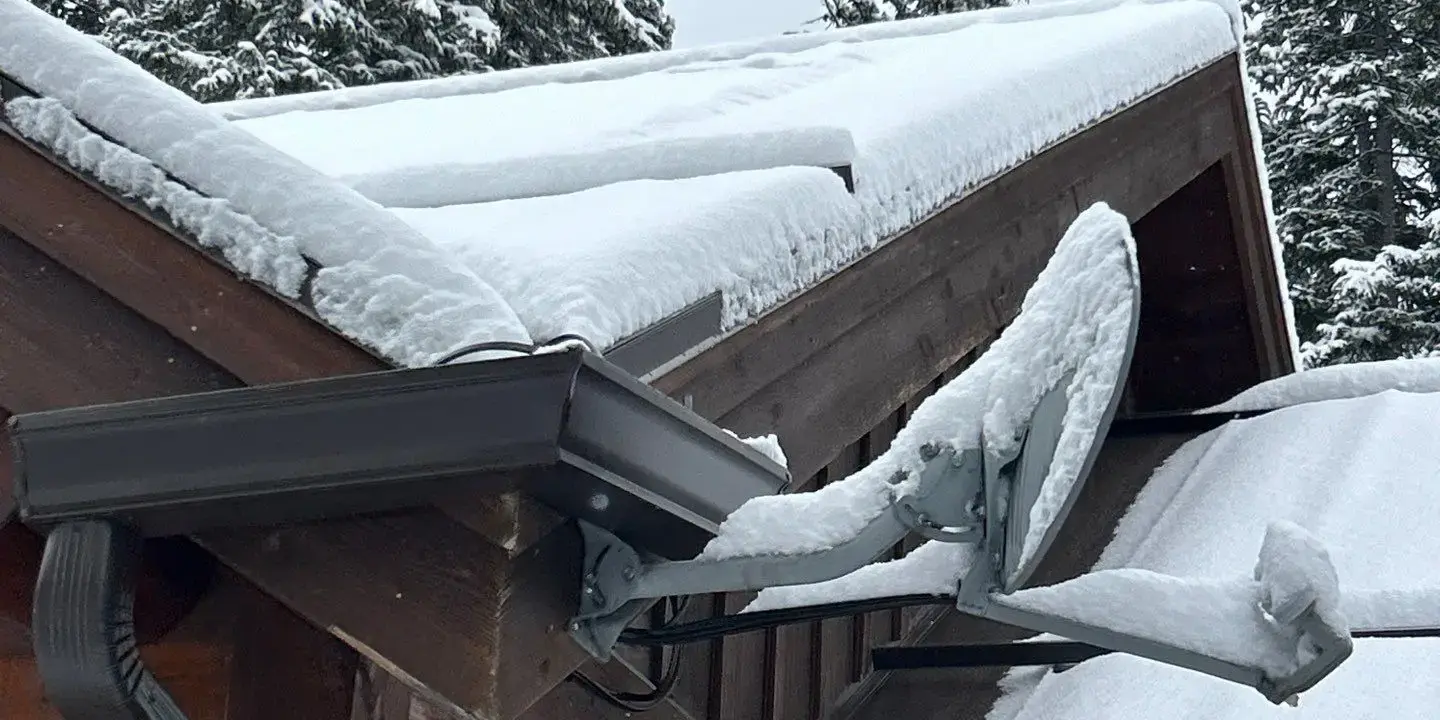
Heated roof cables — also known as heat tape or heat cables — can help manage meltwater and prevent ice dams when installed correctly. These electrically heated cables are attached along the roof’s edges, in valleys, and around problematic areas like gutters, downspouts, skylights, or dormers.
What Heat Tape Does
Heat cables maintain the roof’s edge at or slightly above freezing, preventing meltwater from refreezing when it reaches the eaves. This ensures meltwater drains safely rather than pooling and refreezing.
They create continuous channels through snow and ice build-up for safe drainage — helping protect gutters and roof edges against ice load and minimizing water infiltration risk.
Why It Should Not Be the Only Solution
Heat tape does not fix the root cause: heat loss and poor roof temperature regulation. Without proper insulation or ventilation, ice dams can still form above or near the heat tape, or melt-refreeze cycles may continue elsewhere.
Continuous use of heat cables can increase electricity bills, and incorrect installation may pose fire risks or damage shingles over time.
For long-lasting protection, heat tape should be considered a component of a broader winter-ready roofing strategy rather than a standalone fix.
What to Do If an Ice Dam Has Already Formed
Safe Removal Methods
If you notice ice dams, prompt removal is essential to prevent leaks, structural damage, or further ice accumulation. A widely recommended method is filling tube socks or pantyhose legs with calcium chloride, then placing them vertically over the dam so meltwater gradually forms a drainage channel through the ice without damaging shingles.
Another safe method is to hire a professional roofer to use hot water or steam to melt the ice dam. Steam removal is less likely to damage roofing materials than aggressive physical methods like chopping or pry tools.
Never use rock salt — it can corrode metal flashings, damage shingles, and harm landscaping below. Only calcium chloride-based de-icers designed for roofs should be used. Avoid striking ice dams with hammers, axes, or hatchets — doing so risks damaging shingles, flashing, or roof decking and can cause large sheets of ice to fall unpredictably.
When to Call a Professional
If ice dams are large, widespread, or recurring regularly, it’s wise to enlist a professional roofing contractor. They can safely remove ice via steaming, inspect shingles, examine gutters and flashing, and assess attic insulation and ventilation for necessary upgrades. This helps not only eliminate the immediate problem but also prevent future ice dams. If water damage has already begun — such as leaks, ceiling stains, or mold — schedule an inspection as soon as possible to avoid structural or health issues.
Winter-Ready Strategy: Combine Methods for Maximum Protection
Maintaining a safe, dry, and secure roof through winter requires a multi-layered approach:
- Ensure attic insulation is thorough and gaps around vents, fixtures, and ceilings are sealed.
- Install and maintain soffit and ridge vents (or equivalent attic ventilation) to maintain a cold roof surface.
- Clean gutters and downspouts before the first snowfall and install guards if necessary.
- After snowstorms, carefully remove snow from roof edges with a roof rake when safe.
- Consider heat cables — installed by a qualified electrician or roofer — as a supplemental measure in problem areas such as valleys, gutters, or around roof features.
- If ice dams form, employ safe removal methods (calcium-chloride socks or professional steaming) rather than chipping or hammering.
- For recurring or severe issues, engage a professional roofer to assess insulation, ventilation, drainage, and roof integrity.
This holistic, preventive approach — addressing both the root causes and symptoms — provides the strongest defense against ice dams and winter roof damage.
Managing winter weather hazards requires foresight. A precise, well-executed cold-roof strategy paired with timely maintenance ensures a roof remains watertight, efficient, and durable, season after season.
In colder regions, when planning roofing upgrades, homeowners regularly ask trusted local professionals to optimize insulation and ventilation systems. At our locally based firm, GCCS Roofing, LLC, we prioritize such preventive measures when assessing roofs before winter.
CONCLUSION
Ice dams are a preventable winter roofing hazard, but only when homeowners take a deliberate and informed approach to insulation, ventilation, drainage, and snow management. A cold, well-regulated roof system is the strongest defense against the freeze-thaw cycles that lead to water intrusion, shingle deterioration, and structural damage. Heat cables can support this strategy but should never replace proper attic performance and roof maintenance. When snowstorms are frequent or temperatures fluctuate widely, consistent monitoring becomes essential. Addressing early signs of ice build-up, maintaining clear runoff paths, and ensuring proper airflow through the attic preserves the life of the roofing system and minimizes the risk of costly repairs. With the right balance of preventive measures and professional oversight, homeowners can safeguard their properties and maintain long-term roof integrity throughout even the harshest winters.