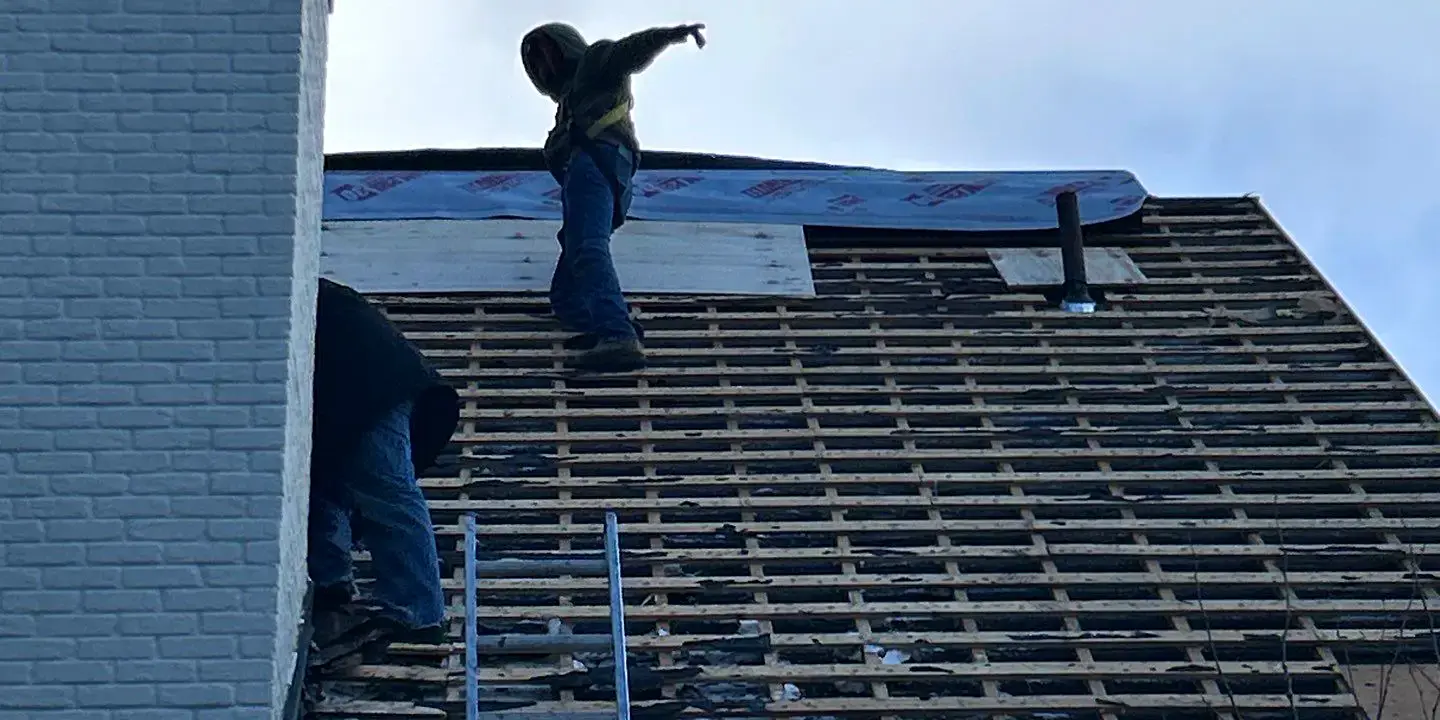
How Roof Upgrades Elevate Your Home’s Market Value
Strategic Importance of a Roof in Real Estate Valuation
The condition of a home’s roof plays a pivotal role in how buyers, appraisers, and real estate professionals perceive the overall health and worth of a property. The roof is one of the most visible features of a home’s exterior and often the first component evaluated during inspections and walk-throughs. A failing or aged roof can immediately trigger concerns about future repair costs, structural vulnerabilities, and ongoing maintenance needs. Conversely, a well-maintained or newly installed roof signals stability and quality, giving buyers confidence that they will not face significant expenses soon after purchase. This perception alone can streamline negotiations and bolster the home’s overall appeal.
Enhanced Curb Appeal and Buyer Attraction
Curb appeal substantially influences a buyer’s first impression, and the roof is central to that exterior aesthetic. Homes with aged, stained, or visibly deteriorated roofs often appear outdated or neglected, overshadowing other positive aspects of the property. Upgrading to a high-quality roofing system — especially with modern materials and coordinated design choices — elevates the visual harmony of the entire structure. By presenting a fresh, attractive roof, sellers can position their property as meticulously cared for, attracting more prospective buyers and potentially accelerating the sale timeline compared to similar homes with older roofs.
Quantifying the Resale Value Boost
Numerous industry reports indicate that roof replacements can yield a significant return on investment. While exact figures vary by region, materials, and market conditions, many homeowners experience a notable uplift in their property’s resale value following roof upgrades. Some analyses suggest that a new roof can recoup a meaningful portion of the initial investment at resale — often in the range of more than half the project cost — while simultaneously improving buyer interest and competitive positioning. These gains are not merely theoretical; real estate professionals frequently cite updated roofing as a priority improvement before listing, recognizing its influence on appraisal outcomes and offer prices.
Material Selection and Its Impact on Value
Roofing materials vary widely in durability, lifespan, energy-efficiency properties, and aesthetic appeal, all of which factor into how much value they add. Traditional asphalt shingles remain a common choice for their balance of cost and performance, and they often deliver respectable returns when replaced. Higher-end options like metal, tile, or architectural shingles, while more expensive upfront, can offer enhanced longevity and distinctive visual character, which appeals to buyers in specific markets. Energy-efficient and impact-resistant materials further elevate value through reduced utility costs and strengthened protection against severe weather conditions. These performance benefits translate into tangible value drivers, particularly in areas where climate resilience is a selling point.
Reduced Inspection Issues and Seller Confidence
Home inspections are critical junctures in real estate transactions, and roof issues frequently emerge as red flags that can adversely affect offer amounts or closing timelines. Signs of roof deterioration — such as missing shingles, water stains, or sagging areas — can prompt buyers to request repairs or renegotiate based on anticipated costs. Preemptively addressing roofing concerns minimizes these complications and can prevent concessions during negotiations. When buyers review inspection reports that confirm a roof’s excellent condition, they gain increased confidence in the property’s overall integrity, often resulting in stronger offers and smoother closings.
Long-Term Financial and Functional Advantages
Beyond immediate resale considerations, roof upgrades contribute to long-term home performance. A contemporary roof system can improve energy efficiency by better insulating the home and reducing heating and cooling costs, which is appealing to environmentally conscious buyers. Modern roofing technologies can also lower insurance premiums when impact-resistant materials are installed, reflecting enhanced durability. These ongoing benefits extend the value proposition beyond mere cosmetic enhancement, reinforcing the overall investment case for roof replacement even if a sale is not imminent.
Maximizing Marketability with Professional Roof Solutions
Integrating expert roofing services when planning improvements is critical to maximizing value. Proper installation, meticulous attention to detail, and choice of appropriate materials establish a roofing system that performs reliably and appeals to buyers seeking turnkey homes. Professional roofing contractors bring technical expertise, astute material recommendations, and adherence to local building standards, ensuring the investment yields the best possible returns. In Littleton, CO, homeowners often partner with trusted professionals, such as GCCS Roofing, LLC, to execute roofing projects that align with market expectations and long-term property performance goals.
Conclusion
Roof upgrades are strategic investments that enhance curb appeal, improve inspection outcomes, and contribute measurable value to a home’s market price. By selecting quality materials, addressing roofing needs proactively, and aligning improvements with buyer expectations, homeowners can significantly elevate their property’s desirability and resale potential