Attic Water Damage and Hidden Roof Leaks: A Complete Homeowner’s Guide for Denver-Area Homes
Water damage in the attic often begins quietly and out of sight, only becoming visible inside your home after extensive structural, insulation, and air quality problems have developed. In the Denver metro area’s unique climate, where snow, hail, and temperature swings are severe, hidden roof leaks and attic water intrusion are particularly common yet deceptively difficult to detect. This comprehensive guide covers causes, early warning signs, inspection strategies, and professional repair solutions to protect your home from attic water damage and costly interior repair work.
How Hidden Roof Leaks Develop and Require Immediate Attention
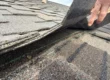
Water intrusion into attic spaces often starts with weaknesses on the roof’s exterior. Damaged or missing shingles allow rainwater and melting snow to pass through the roofing system, eventually reaching attic sheathing and framing. Flashing, the metal barrier around roof penetrations like chimneys, vents, and skylights, can deteriorate over time or be poorly sealed, creating entry points for water. Clogged gutters and downspouts also contribute by backing water up under roofing materials.
Ice dams represent another significant mechanism of hidden attic water problems in cold climates. When heat escapes into a poorly insulated attic, snow on the roof melts unevenly and refreezes at the eaves. This ice buildup stops proper drainage, forcing meltwater beneath shingles and into the roof structure, slowly causing leaks that may not show symptoms until major interior damage has formed.
Moisture does not always come from external sources. Poor attic ventilation traps warm air rising from living spaces. As that warm air condenses on cold surfaces during winter, “attic rain” or frost accumulation forms on sheathing and insulation, leading to rot and mold growth even without a roof leak.
Recognizing the First Signs of Attic Water Damage
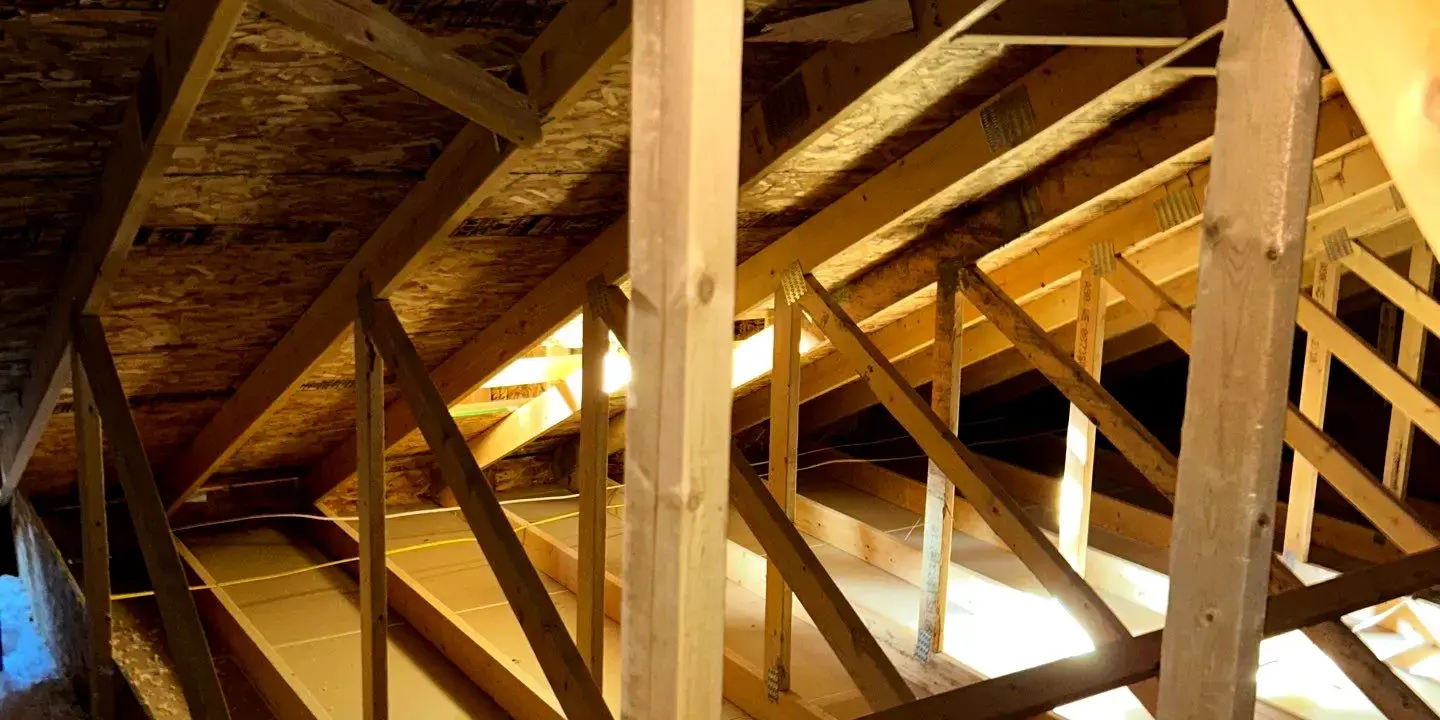
Hidden attic leaks often announce themselves long before water visibly drips into living spaces. Early indicators include dark stains or streaks on attic sheathing and rafters, rust on nails and metal fasteners, and insulation that appears matted, clumped, or damp. Any signs of wood rot, soft spots in structural members, or daylight visible through roof boards are urgent warnings that water is entering the attic.
Inside the home, subtle clues should never be ignored. Peeling paint, bubbling wall coverings, or discolored rings and patches on ceilings typically signal moisture has traveled from the attic and compromised interior finishes. A sudden increase in heating or cooling costs can also reflect saturated insulation that has lost its thermal resistance and ability to regulate temperature effectively.
Musty odors and unexplained humidity upstairs are often the first signs of mold growth resulting from persistent moisture intrusion. Once mold establishes itself, spores can circulate throughout the home, diminishing indoor air quality and creating potential respiratory health concerns.
The Structural and Financial Consequences of Ignored Attic Leaks
When roof leaks and attic moisture are left unaddressed, they compromise both structural integrity and living conditions. Wood framing, roof sheathing, trusses, and joists are vulnerable to rot when exposed to repeated wetting. Over time, this weakens critical roof support systems, increasing the risk of sagging or failure.
Insulation that becomes waterlogged loses its R-value and must often be removed and replaced, adding to repair costs. Beyond this, moist conditions combined with organic materials like wood and drywall create ideal breeding grounds for mold. Mold not only damages materials but may pose health risks that necessitate professional remediation.
Electrical systems in attic spaces are also at risk. Water dripping onto wiring can lead to shorts or sparks, presenting potential fire hazards that demand immediate professional assessment and repair.
Comprehensive Inspection Techniques for Hidden Attic Leaks
Routine attic inspections are essential preventive measures, especially after heavy storms or seasonal transitions. Conduct checks at least twice a year: once before winter and once in early spring. Arm yourself with a strong flashlight and assess roof sheathing for discoloration, moisture trails, rust marks, and softened framing members.
Inspect insulation visually and by touch; wet insulation feels cold and heavy compared with dry, fluffy material. Look for daylight through roof boards, which directly indicates a roof breach. Smell for musty or moldy odors that point to persistent moisture issues.
Professional roofers often use advanced moisture meters and infrared imaging to detect trapped water that may not show visible signs. These tools reveal temperature differences and hidden wet spots behind surfaces, enabling roofers to pinpoint leaks before they escalate into costly repairs.
Roof Repair, Leak Mitigation, and Long-Term Solutions
Addressing attic leaks begins with identifying the precise source of water entry. Skilled roofing professionals inspect shingles, flashing, valleys, and roof penetrations for compromised materials and improper installations. Once the leak’s origin is found, technicians can repair or replace damaged components, often including shingle replacement, flashing resealing, and flashing replacement around vents and chimneys.
Ventilation and insulation improvements are critical for preventing future moisture issues. Correct attic ventilation balances air movement to limit condensation. Adequate insulation slows heat loss through ceilings, reducing the formation of ice dams that can drive meltwater under roofing materials.
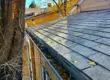
Gutter maintenance also plays a key role. Clean, unobstructed gutters and downspouts ensure proper water diversion away from the roof edge. Debris buildup can trap water at the roofline, increasing the likelihood of leaks during rain or snow melt events.
Choosing experienced professionals ensures that attic leaks are not merely patched but resolved at the core. Local roofing services, such as those offered by GCCS Roofing, LLC in Littleton, CO, specialize in detailed roof inspections and reliable leak repair solutions tailored to Colorado’s climate.
When to Call a Professional and Avoid Costly Delays
Any suspicion of attic water intrusion warrants prompt professional attention. Signs like water stains on ceilings, persistent musty odors, warped drywall, or visible attic moisture require inspection and repair before structural damage spreads. Early intervention reduces overall repair costs and preserves the integrity of your home.
Licensed roofing and restoration specialists can provide thorough assessments, moisture detection diagnostics, and corrective services that address both visible damage and underlying issues. Waiting until water appears inside living spaces often means repairs will be more extensive and expensive than immediate action would have required.
Conclusion
Attic water damage and hidden roof leaks are among the most insidious threats to home safety and value in Denver’s challenging climate. Recognizing the early signs, understanding the causes, and engaging in regular attic inspections are essential steps to preserving your home. Proactive maintenance, proper ventilation, and expert roof repairs ensure that water intrusion is stopped at its source, safeguarding structural integrity, insulation efficiency, and indoor air quality for years to come.