When to Decide Between Roof Repair or Full Roof Replacement
Assessing the True Condition of a Roof
We evaluate a roof by examining its structure, surface materials, and performance history rather than relying on appearance alone. A roof may look worn yet remain structurally sound, or it may appear intact while concealing deeper failures. The correct decision begins with identifying whether damage is isolated or systemic, recent or progressive, cosmetic or structural.
Age and Material Lifespan as Primary Indicators
We consider the age of the roof in direct relation to the expected lifespan of its materials. Asphalt shingles typically perform reliably for two decades, architectural shingles last longer, and metal or tile systems extend well beyond that range. Once a roof approaches the latter portion of its service life, repairs often become temporary solutions that delay an inevitable replacement while increasing cumulative costs.
The Scope and Pattern of Damage
We differentiate between localized damage and widespread deterioration. A limited number of missing shingles, flashing separation around a vent, or minor storm impact usually supports repair. In contrast, recurring leaks in multiple areas, consistent shingle granule loss, sagging rooflines, or moisture intrusion across large sections signal that the roofing system is failing as a whole.
Leaks, Moisture Intrusion, and Interior Evidence
We take interior signs seriously because they reveal how the roof performs under real conditions. Water stains on ceilings, damp insulation, mold growth, and soft decking indicate that moisture has moved beyond the exterior layer. When leaks are isolated and recent, repair restores integrity. When moisture damage is ongoing or widespread, replacement becomes the only solution that fully protects the structure.
Structural Integrity and Decking Performance
We examine the roof deck to confirm whether it still provides a stable foundation. Warped, rotting, or weakened decking compromises any surface repair. A roof that has lost structural reliability cannot be stabilized with patchwork solutions. Replacement allows us to restore the deck, reinforce load-bearing capacity, and reset the entire roofing system to modern standards.
Energy Efficiency and Ventilation Performance
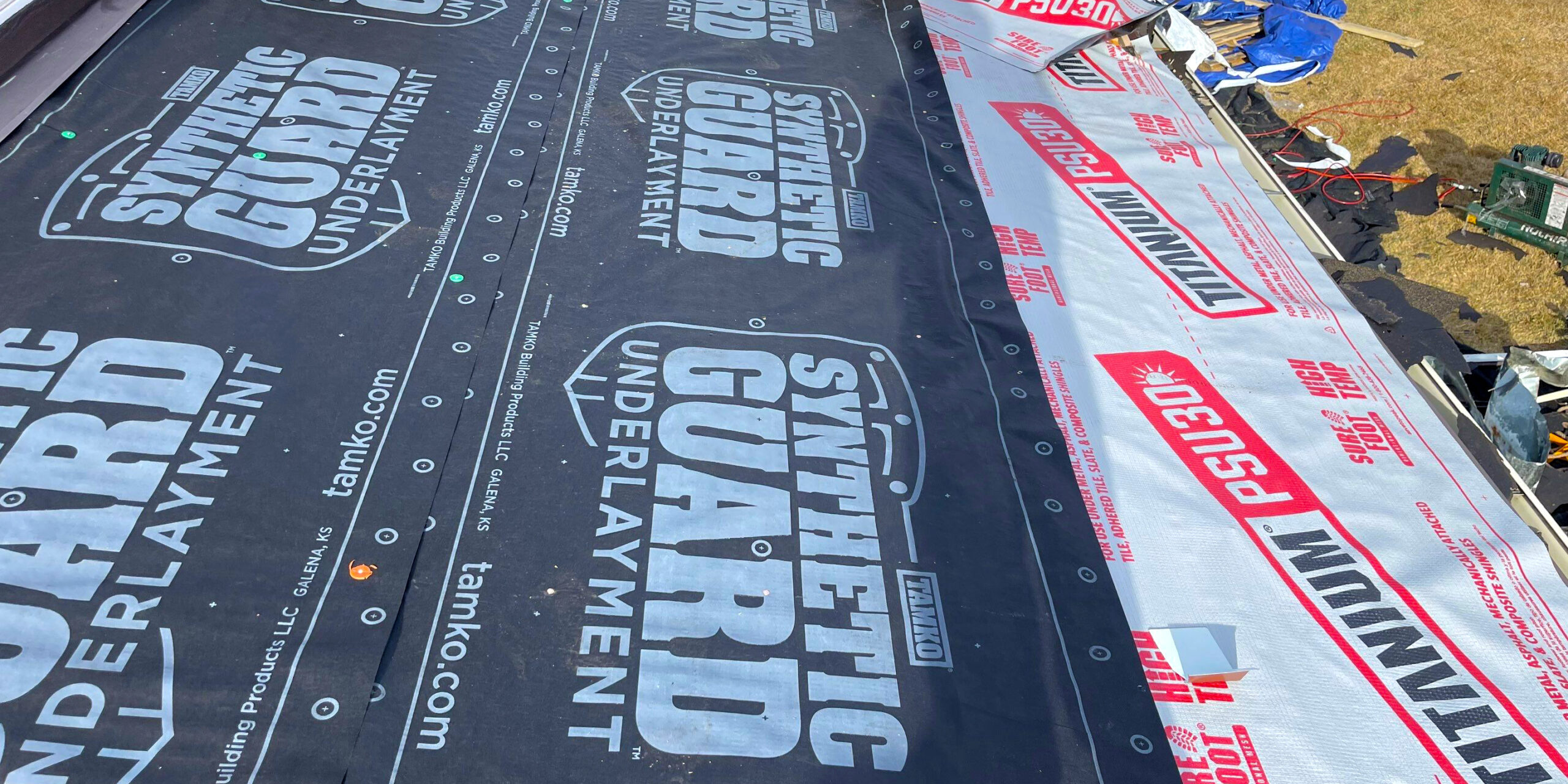
We evaluate whether the roof contributes to heat loss, uneven indoor temperatures, or excessive attic moisture. Aging roofing materials, failed underlayment, and outdated ventilation reduce efficiency and increase utility costs. When inefficiency stems from isolated ventilation issues, targeted upgrades may suffice. When inefficiency is tied to the roof assembly itself, replacement delivers measurable performance improvements.
Weather Exposure and Climate Stress
We account for how repeated exposure to wind, hail, snow load, and thermal cycling accelerates wear. Roofs subjected to frequent extreme conditions often experience cumulative damage that repairs cannot permanently resolve. Replacement ensures uniform resistance across the entire surface rather than relying on reinforced weak points.
Cost Effectiveness Over Time
We analyze cost beyond the immediate invoice. Frequent repairs, interior damage mitigation, rising energy bills, and lost warranties add up quickly. Replacement carries a higher upfront cost but stabilizes long-term expenses, restores manufacturer coverage, and eliminates recurring failures that erode property value.
Safety, Compliance, and Modern Standards
We align roofing decisions with current building codes and safety requirements. Older roofs may no longer meet updated standards for wind resistance, fire rating, or structural load. Replacement provides an opportunity to bring the entire system into compliance, increasing both safety and resale value.
Professional Evaluation and Informed Decision-Making
We rely on comprehensive inspections that assess surface materials, flashing, underlayment, decking, ventilation, and drainage as a unified system. An experienced roofing contractor such as GCCS Roofing, LLC in Littleton, CO applies this system-based approach to determine whether repair preserves long-term performance or replacement delivers the only reliable outcome.
Conclusion
We choose roof repair when damage is limited, the structure remains sound, and the system is far from the end of its lifespan. We choose roof replacement when age, widespread deterioration, structural compromise, or performance failure makes ongoing repairs inefficient and unreliable. The right decision protects the property, controls long-term costs, and ensures consistent performance under real-world conditions.