
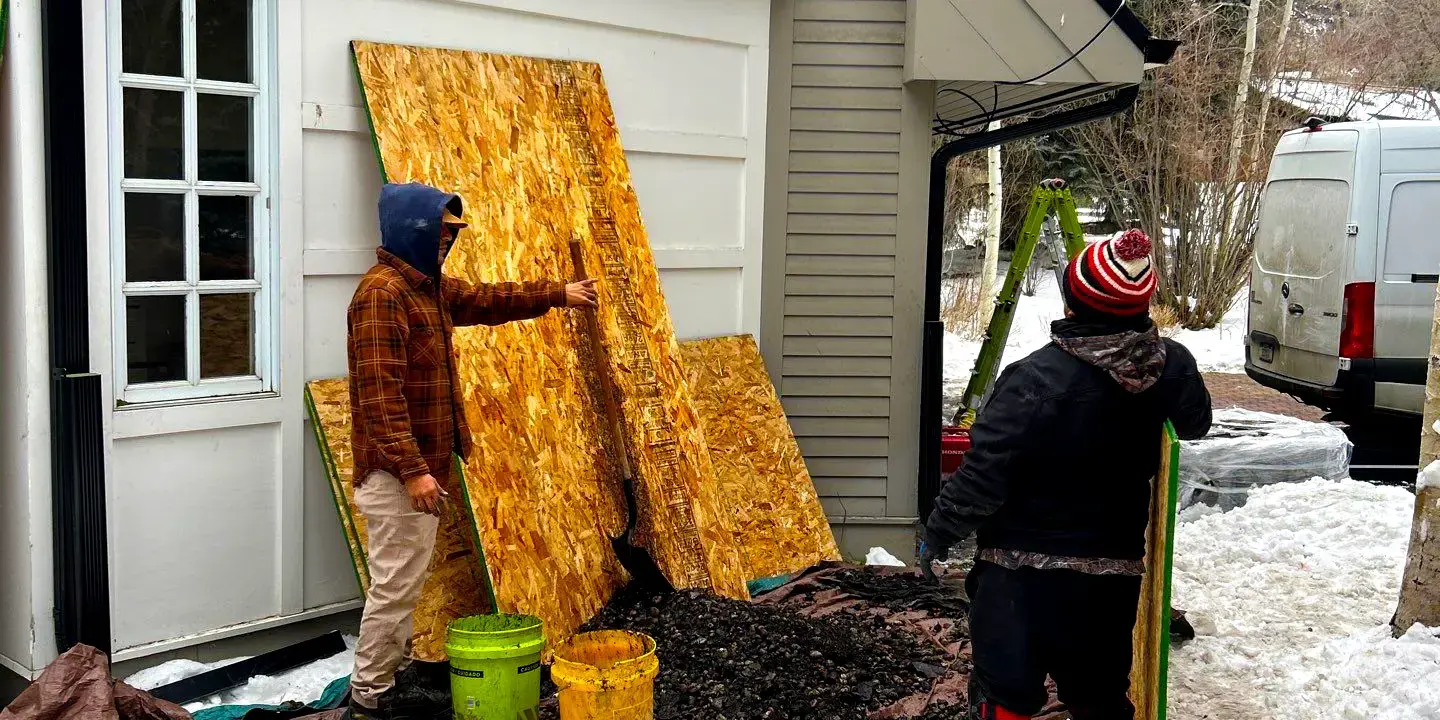
Smart Roof Financing Strategies for Colorado Homeowners
Colorado homeowners face a unique set of challenges when it comes to replacing their roofs. Harsh weather, including hailstorms, heavy snow, and high winds, can cause sudden damage that requires urgent attention. The cost of a new roof, which varies widely depending on materials, roof size, and complexity, can stretch into the tens of thousands of dollars. Rather than depleting savings or delaying necessary work, many homeowners turn to financing to spread out the cost of a roof replacement and protect their investment.
The Financial Reality of Roof Replacement in Colorado
Roof replacements in Colorado are a significant investment. Average costs for a standard residential roof can range from under $10,000 to over $25,000 or more depending on the roofing material and property specifications. Asphalt shingles tend to be the more economical choice, while premium materials like metal or tile increase the price considerably. When you consider labor, tear-off, underlayment, and other project elements, the total cost can quickly exceed a typical household’s available cash reserves.
Because these expenses often come unexpectedly—especially after storm-related damage—financing becomes a practical tool for maintaining your home’s structural integrity without financial strain. Structured financing allows homeowners to move forward with necessary repairs or full replacements without waiting months or years to save the full amount.
Primary Roof Financing Options for Colorado Homeowners
Understanding the available financing options empowers homeowners to make informed decisions that align with their financial situations and long-term goals. Several distinct routes can be pursued:
Personal Loans for Roof Projects
Personal loans offer a flexible option for roof financing. These unsecured loans do not require collateral and provide quick access to funds, often facilitating faster project starts. Approval and funding can be faster than secured financing options, but interest rates may be higher, and terms are typically shorter than other loan types. Lenders evaluate based on creditworthiness and income, so a strong credit profile can unlock more favorable rates.
Home Equity Loans and HELOCs
Homeowners with built-up equity can leverage it to finance a new roof. Home equity loans provide a lump sum with a fixed interest rate and set repayment schedule, while Home Equity Lines of Credit (HELOCs) offer revolving credit that can be accessed as needed. Using home equity typically yields lower interest rates compared to unsecured loans since the loan is secured by the property. This can make them appealing for larger roofing projects or additional home improvements.
Contractor-Arranged Financing Plans
Many roofing contractors partner with third-party lenders to offer tailored financing plans. These may include options with low or zero down payments, extended repayment terms, and competitive interest rates. These contractor-linked plans streamline the approval process and tie financing directly to the roofing project, simplifying payments and coordination. When evaluating this route, it’s important to understand the terms clearly, including any origination fees or interest rate variances.
Government-Backed and Assistance Programs
Certain government and community programs may provide financial assistance or favorable financing for home improvements, including roof replacements. Eligibility can depend on income level, age, or other qualifying factors. Programs such as FHA Title 1 loans or local roofing assistance initiatives can provide alternative financing paths with potentially lower costs or easier qualification criteria. In some cases, energy-efficient upgrades integrated with roofing work may qualify for federal tax credits or rebates.
Credit Cards and Cash-Out Refinance
For smaller roofing projects, homeowners might opt for credit cards, especially those offering 0% introductory APR promotions. While convenient, this option often carries higher risk if balances are not paid before promotional periods end. Another route is a cash-out refinance, which replaces an existing mortgage with a larger one and provides the difference in cash to fund the new roof. This approach can offer lower interest rates but involves resetting mortgage terms and can take longer to process.
Evaluating Your Financing Choice
Selecting the right financing option hinges on several key factors, including your credit score, existing debt, available equity, and how urgently the roof needs replacement. Before committing to any financial product, homeowners should:
Assess projected monthly payments and how they fit within the household budget.
Compare interest rates, loan terms, and any associated fees or penalties.
Understand the implications of secured versus unsecured borrowing.
Review potential insurance claim coverage and how it may offset out-of-pocket costs.
Careful comparison ensures you choose the financing structure that delivers affordable monthly payments while protecting your long-term financial health.
Practical Steps to Get Started with Roof Financing
Begin with a professional roof inspection to accurately determine the condition and scope of the work needed. A qualified roofing contractor will provide a detailed estimate of materials, labor, and timeline—crucial information for any financing application. Next, compare multiple lenders and financing products to identify competitive interest rates and terms. It’s wise to obtain prequalification where possible, as this can offer clearer expectations without impacting your credit score. Finally, submit a complete application, providing pay stubs, bank statements, and other financial documentation required by the lender.
Throughout this process, working with an experienced local roofing provider like GCCS Roofing, LLC in Littleton, CO, can offer valuable insight into both financing options and roofing solutions tailored to Colorado’s climate.
Protecting Your Home and Budget with Intelligent Financing
Financing a roof replacement transforms a significant upfront expense into structured payments that align with your budget. Rather than risking damage escalation, interior issues, or insurance complications from delaying essential work, financing lets homeowners act decisively when roofing needs arise. Whether safeguarding against Colorado’s unpredictable weather or planning upgrades that add long-term value, informed financing ensures protection for both your home and your financial future.
CONCLUSION
Choosing the right roof financing strategy in Colorado requires careful analysis of available options, consideration of personal financial circumstances, and an understanding of long-term home maintenance goals. With thoughtful planning and expert guidance, homeowners can secure durable roofing and financial peace of mind.