Roof Leak Detection After Snow Melt: A Complete Homeowner’s Inspection Guide
When winter storms finally pass and temperatures begin to rise, many homeowners assume the danger to their roof has ended. In reality, the period immediately after snow begins to melt is when roofing systems are most vulnerable. Snow accumulation followed by daytime thawing and nighttime freezing creates conditions where water infiltrates hidden weak points in a roof structure. If these vulnerabilities go undetected, meltwater can travel beneath shingles, penetrate flashing, and spread through insulation and framing before appearing as visible damage inside the home.
A thorough roof leak detection process after snow melt is essential for identifying hidden moisture intrusion and preventing costly structural repairs. Acting quickly during this transition period helps preserve the integrity of the roofing system and ensures the home remains protected throughout the spring and summer seasons.
Why Roof Leaks Often Appear After Snow Begins to Melt
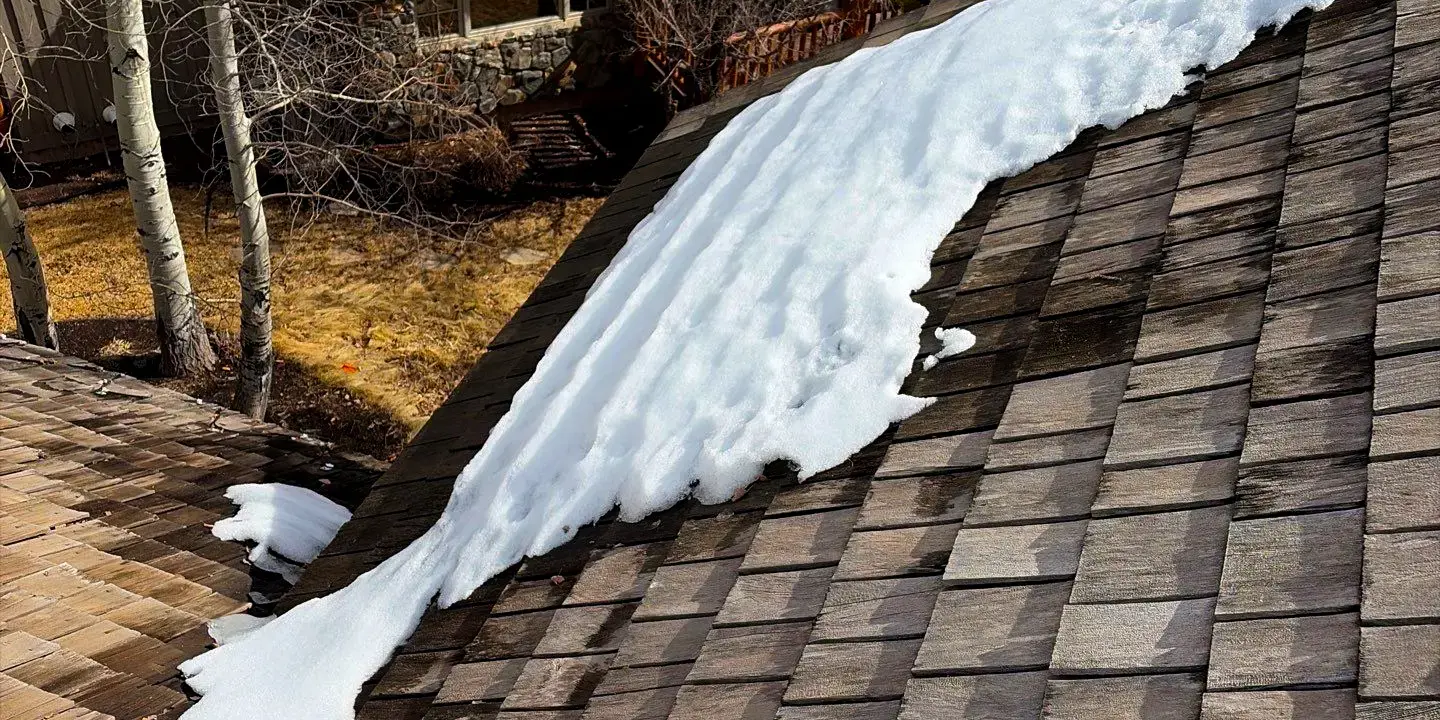
Unlike rain, snow does not immediately run off a roof surface. Instead, it accumulates and remains in place for days or weeks. As temperatures fluctuate, the snow slowly melts during warmer daytime hours and refreezes overnight. This freeze–thaw cycle forces water into areas where roofing materials may already be stressed or weakened.
Melting snow behaves differently than rainwater because it can seep underneath shingles and roofing components before it drains away. Once trapped beneath roofing layers, water travels along roof decking or framing until it eventually finds a path inside the home. By the time stains appear on ceilings or walls, the original entry point may be several feet away from the visible leak.
The Hidden Structural Risks of Post-Snow Roof Leaks
Water intrusion caused by melting snow can affect multiple components of a home’s structure. Even small leaks can lead to significant long-term damage if not addressed promptly.
Moisture that enters the roofing system can saturate insulation, reducing its ability to regulate temperature and increasing heating costs. Wood framing exposed to repeated moisture may begin to deteriorate, compromising the structural stability of the roof. Prolonged dampness inside attic spaces also encourages mold growth, which can spread through ventilation systems and affect indoor air quality.
Once water reaches drywall ceilings, bubbling paint, sagging panels, and spreading stains typically follow. These visible symptoms often represent only a fraction of the underlying damage occurring within the roof assembly.
The Most Common Causes of Roof Leaks After Snow Melt
Understanding what causes these leaks helps homeowners recognize warning signs before problems escalate.
Ice dams are one of the most frequent culprits. These formations occur when heat escaping from the attic melts snow on the upper portions of the roof. The meltwater flows downward until it reaches colder areas near the eaves, where it refreezes and forms a barrier of ice. As the barrier grows, it blocks drainage and forces water to back up beneath shingles, eventually entering the roof structure.
Damaged or aging shingles also contribute to post-snow leaks. Shingles that have cracked, lifted, or lost protective granules during winter storms create entry points where meltwater can penetrate. High winds, heavy snow loads, and repeated freezing cycles accelerate this deterioration.
Roof flashing failures are another common source of leaks. Flashing seals vulnerable joints around chimneys, vents, skylights, and roof valleys. If flashing becomes loose or corroded, melting snow easily seeps into these exposed areas.
Gutter blockages can worsen the situation by preventing proper drainage. When gutters are clogged with debris or ice, meltwater pools along the roof edge and increases the likelihood of water backing up beneath roofing materials.
Finally, poor attic insulation and ventilation often trigger uneven snow melting patterns across the roof. Warm air escaping from the attic heats certain sections of the roof while others remain frozen. This uneven melting accelerates ice dam formation and increases the risk of moisture intrusion.
Interior Signs That Indicate a Roof Leak
Early detection inside the home can prevent extensive structural damage. After snow melt begins, homeowners should carefully monitor interior areas for subtle warning signs.
Ceiling discoloration is one of the earliest indicators of a leak. Small yellow or brown stains often appear on drywall surfaces where water has slowly penetrated from above. These stains may gradually expand as moisture continues to spread through insulation and ceiling materials.
Peeling paint or bubbling plaster also signals hidden moisture accumulation. Water trapped behind painted surfaces causes the coating to lose adhesion, creating blistered or warped areas.
In attic spaces, damp insulation or a musty odor suggests water infiltration. Darkened wood beams or visible moisture droplets on roof decking often confirm that meltwater has entered the roofing structure.
These symptoms should never be ignored, as even minor leaks can escalate quickly when spring rains begin.
Exterior Roof Areas That Require Immediate Inspection
A careful visual inspection of the roof exterior after snow melt can reveal vulnerabilities that allow water intrusion.
Shingles should be examined for cracks, curling edges, or areas where protective granules have worn away. Missing or displaced shingles leave exposed sections of underlayment that cannot withstand prolonged moisture.
Roof valleys deserve special attention because they channel large volumes of melting snow toward gutters. If debris accumulates in these areas, water may pool and penetrate beneath surrounding shingles.
Flashing around chimneys, skylights, and roof vents should be checked for rust, lifting edges, or gaps where sealant has deteriorated. These joints experience constant expansion and contraction during winter, making them frequent leak sources.
Gutters and downspouts must also be cleared of leaves, ice remnants, and debris. Proper drainage ensures that melting snow flows safely away from the roof rather than backing up along the roofline.
The Role of Attic Ventilation in Preventing Snow-Melt Leaks
A properly ventilated attic maintains a consistent roof temperature throughout winter. When warm air from living spaces escapes into the attic, it heats sections of the roof surface and initiates uneven melting patterns.
Adequate ventilation allows cold air to circulate beneath the roof deck, preventing premature melting and reducing the likelihood of ice dam formation. Balanced airflow also removes excess moisture from the attic, protecting insulation and structural framing.
Proper insulation works together with ventilation to maintain stable roof temperatures. By minimizing heat transfer from the interior of the home, insulation prevents localized snow melting that contributes to water intrusion.
Advanced Methods Used in Professional Roof Leak Detection
Identifying the exact source of a roof leak can be challenging because water often travels far from its original entry point. Professional roof inspections use specialized diagnostic techniques to locate hidden moisture within roofing systems.
Infrared thermal imaging detects temperature variations caused by trapped moisture beneath roofing materials. Wet insulation and saturated decking retain heat differently than dry surfaces, allowing inspectors to pinpoint areas of concern without removing roofing components.
Electronic leak detection technology measures electrical conductivity across roofing membranes to identify water entry points. Moisture meters and tracer dye testing further confirm the precise location of leaks during comprehensive evaluations.
These methods allow roofing professionals to diagnose leaks accurately and recommend targeted repairs rather than unnecessary roof replacements.
Preventive Maintenance Strategies for Snow-Prone Roofs
Proactive roof maintenance significantly reduces the risk of leaks after snow melt. Routine inspections conducted before and after winter storms help identify small issues before they evolve into major problems.
Keeping gutters clean throughout the year ensures meltwater drains properly during seasonal transitions. Removing debris prevents blockages that contribute to ice dam formation and water backup.
Attic insulation and ventilation should also be evaluated periodically to maintain consistent roof temperatures. Sealing air leaks around light fixtures, vents, and attic access points prevents warm indoor air from reaching the roof surface.
Tree branches hanging above the roof should be trimmed to prevent snow-laden limbs from damaging shingles or flashing during storms.
Regular maintenance combined with timely inspections ensures the roof continues to perform effectively under changing weather conditions.
Why Professional Post-Winter Roof Inspections Matter
While homeowners can identify visible warning signs, professional inspections provide a deeper evaluation of the entire roofing system. Roofing specialists examine structural components, flashing assemblies, drainage systems, and attic conditions to detect vulnerabilities that may not be visible from the ground.
Detailed inspections often include photographic documentation and moisture assessments that help homeowners understand the condition of their roof. This documentation can also assist with insurance claims if winter damage has occurred.
In Colorado’s challenging climate, where heavy snowfall and rapid temperature swings place intense stress on roofing systems, professional evaluations are an essential part of responsible home maintenance. Experienced teams such as GCCS Roofing, LLC in Littleton, CO provide comprehensive inspections designed to identify snow-related roof vulnerabilities before they lead to serious interior damage.
When Immediate Roof Repair Is Necessary
Certain signs indicate that roof damage requires immediate professional attention.
Active water dripping inside the home suggests a significant breach in the roofing system. Rapidly expanding ceiling stains, sagging drywall, or multiple leak locations often indicate that water has spread through the attic and insulation layers.
Large icicles forming along the roof edge may signal the presence of ice dams that are forcing water beneath shingles. If this condition persists, water can infiltrate structural framing and compromise the roof deck.
In these situations, prompt repairs are critical to preventing extensive interior damage and costly reconstruction.
Long-Term Protection for Homes in Snow-Heavy Climates
Homes located in regions with heavy winter snowfall must be designed and maintained with seasonal weather extremes in mind. Roofing systems should include durable materials, proper ventilation, and well-designed drainage components that accommodate freeze–thaw cycles.
Routine inspections during the transitional periods between seasons are particularly important. The weeks immediately following snow melt offer the best opportunity to detect hidden damage before spring storms arrive.
By addressing small issues early and maintaining a proactive approach to roof care, homeowners can extend the lifespan of their roofing systems and protect their homes from avoidable water damage.
CONCLUSION
Roof leak detection after snow melt is a critical step in protecting a home from hidden water damage. The freeze–thaw cycles of winter place immense stress on roofing materials, creating conditions where meltwater can infiltrate shingles, flashing, and structural components. Careful inspections of both interior and exterior areas allow homeowners to identify early warning signs before minor leaks escalate into serious structural problems.
Consistent maintenance, proper attic ventilation, and professional inspections ensure that roofs remain resilient against the challenges of snow accumulation and seasonal temperature changes. Acting quickly during the snow-melt period preserves the durability of the roofing system and safeguards the home for the seasons ahead.