Planning Your Roof Replacement During Cold Weather
Understanding the Opportunity and Risk of a Winter Roof Replacement
As the chill of winter settles in, many homeowners face the crucial decision of whether to proceed with a roof replacement now or wait until milder weather returns. With the right planning, the right contractor, and the right materials, a roof replacement during cold months can be highly successful — and prevent further damage. On the other hand, neglecting needed work because of the season can lead to costly consequences.
Why a Roof Replacement in Colder Seasons Makes Sense
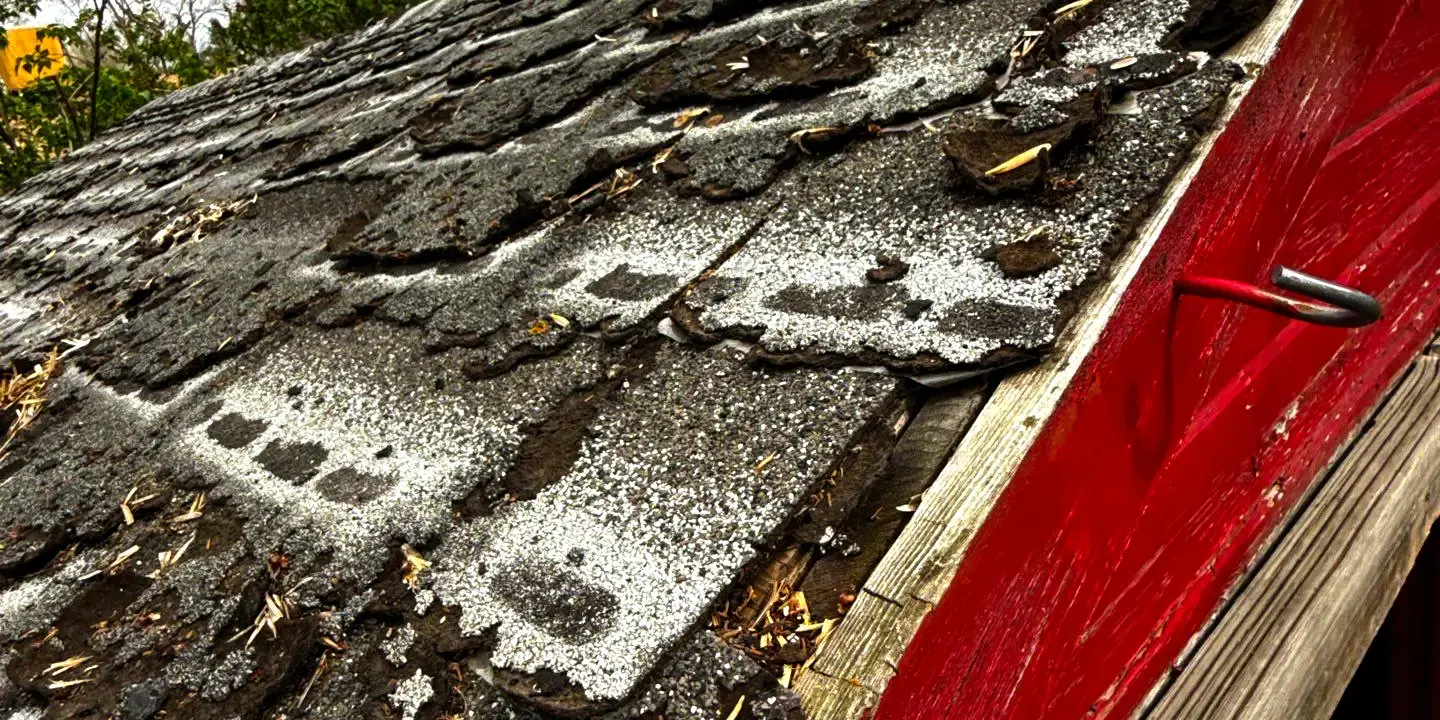
One of the primary benefits of undertaking a roof replacement when temperatures have dropped is that waiting often means exacerbating existing problems: leaks, ice-damming, deteriorated flashing and underlayment may accelerate under cold, wet conditions. Addressing them early means preventing water infiltration, mold growth, structural damage, and higher heating bills. Additionally, the off-peak season often offers faster scheduling, more contractor availability, and sometimes more favourable pricing.
Moreover, once replacement is completed in winter, your home enters the spring season already protected under new roofing, which gives peace of mind and removes the reactive scramble of emergency repairs when storms hit.
Key Factors That Impact a Winter Roof Replacement
Material Performance at Low Temperatures
Cold weather imposes particular constraints on roofing materials. Asphalt shingles can become brittle and may crack or split when bent, jacked, or walked on at very low temperatures. Some adhesives and self-sealing strips rely on warm-up via sunlight to properly bond; in cold, shady conditions they may underperform.
Roll‐type underlayments, membranes, and flashing must also be handled differently in cold weather: storing in warmer conditions, allowing materials to acclimate, and installing with care to avoid misalignment or tearing.
Safety and Logistics for Winter Installations
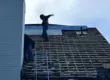
Shorter daylight hours, icy roof surfaces, cold wind-chill, and unpredictable snow or storm events create hazards for crews and complicate job-site management. Proper planning for access, removal of snow and ice, ensuring safe footing, and scheduling around milder days is essential.
Storage of materials onsite, protection from snow and moisture, ensuring nails and tools operate properly in cold conditions (for example, nail guns may bind if compressed air lines freeze) — all these logistics must be addressed by an experienced contractor.
Preventing Hidden Winter‐Related Roof Failures
Even if the roof appears intact going into winter, underlying issues such as inadequate attic insulation, poor ventilation, clogged gutters, or initial damage may become major problems when snow and ice accumulate. Ice dams form when heat from the attic melts snow on the upper portion of the roof, which then refreezes at the eave line, allowing water to back up under shingles.
By coordinating roof replacement with a full‐system inspection (decking, flashing, underlayment, venting, drip edge, gutters), homeowners achieve a more reliable long-term solution — rather than installing new shingles over compromised infrastructure.
Best Practices for Executing a Winter Roof Replacement
Select a Contractor With Cold‐Weather Expertise
Choose a roofing contractor who has documented experience installing in winter conditions, knows manufacturer guidelines for cold-weather installation, stores and handles materials appropriately, and has a plan for safety, schedule flexibility, and weather interruptions. A contractor familiar with cold-weather techniques will hand-seal shingles if necessary, use winter-rated adhesives, and protect exposed decking and materials during installation. Ask for references of winter projects, verification of the crew’s winter safety protocols, and ensure the contractor is clear about how weather delays or temperature limitations are handled in the contract.
Use Materials Rated for Winter Conditions
When planning a cold-season roof replacement, specify materials that are approved for lower temperature installation or that incorporate enhanced adhesion technology. Consider shingles with advanced sealing strips, underlayments with high adhesion at low temperatures, and flashing details appropriate for freeze/thaw cycles. Hand-sealing shingles might be required if temperatures don’t allow normal automatic bonding.
Also confirm that warranty terms are maintained under winter installation—install under manufacturer guidelines regarding minimum temperatures, storage, handling and installation procedures. Ignoring those may void coverage.
Timing, Scheduling and Weather Monitoring
Choose a window of mild weather, avoid days with expected precipitation or high winds, and build in buffer time for delays. Because daylight is shorter, crews may accomplish less per day, so anticipate that the job may require more days than a summer project.
Prior to installation, remove snow or ice buildup, clean gutters, ensure decking is dry and accessible, and inspect attic conditions (ventilation, insulation, roof deck condition). These preparatory steps reduce risk of hidden delays once work begins.
Ensure Proper Roof System Integration
A high-quality winter roof replacement is more than just new shingles. It requires attention to the full system: decking, underlayment, ice and water barriers, drip edge, flashing around penetrations, proper ventilation, attic insulation, and gutter/downspout functionality. If any of these are weak or outdated, replacement during winter offers the ideal opportunity to upgrade comprehensively. For example, an attic lacking balanced intake and exhaust ventilation increases the risk of heat buildup, snow melt, and subsequent ice damming.
Protect the Site and Homeowners
Winter conditions increase the chance of damage from debris, snow removal, improper disposal of old shingles, and stress on landscaping or hardscape features. Ensure the contractor uses debris netting, properly removes old materials, protects plants and walkways, and monitors the site for hazards like ice sheets. Also be aware of post-installation cleanup — in winter conditions, some cleanup tasks may need to be completed in spring (e.g., if snow prevents full magnetic sweep of nails).
What to Expect: Timeline, Costs, and Performance
Timeline
A winter roof replacement may take slightly longer than a spring or summer job of the same size due to weather constraints, fewer daylight hours, and logistic overhead (material acclimation, snow/ice removal). Nonetheless, because contractor demand is often lower, scheduling often happens faster and projects can start sooner than during peak seasons.
Cost Considerations
In some markets, winter may bring lower labor rates or material promotions because demand is reduced — though material cost fluctuations and emergency call-out premium rates can neutralize some of those savings. Also keep in mind that delays due to weather can increase labour hours or scheduling costs. The value, however, comes from avoiding damage costs and ensuring protection during the harshest months.
Long Term Performance
When installed correctly under winter conditions, the new roof can perform equally as well as one installed in warm weather. The vital factor is adherence to manufacturer specifications, proper material handling, skilled workmanship, correct ventilation and insulation, and a sound underlying structure. Skimping on any of these due to winter haste may shorten lifespan or reduce warranty effectiveness.
When It’s Absolutely Time to Replace, No Matter the Season
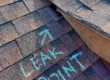
If your roof has sustained storm damage, visible leaks, sagging deck, widespread missing shingles, or an advanced age where failure is imminent, then delay is not a viable option. In these cases, a winter replacement is not only feasible but necessary. Professional contractors can perform emergency tarping and proceed to full replacement when conditions allow. Even in colder weather, the savings in damage prevention and homeowner peace are often far greater than waiting for “ideal” timing.
Our team at GCCS Roofing, LLC based in Littleton, CO, is equipped to evaluate your home and recommend whether a winter replacement is right for you.
Final Thoughts – Why Doing It Right Matters
Choosing to replace your roof in winter can yield significant advantages, but only if done with the right expertise, preparation, materials, and systems approach. By selecting a contractor who understands cold-weather techniques, insisting on material quality, integrating ventilation and insulation upgrades, and scheduling around safe weather windows, homeowners can secure a durable, high-performance roof that stands up to winter’s demands and protects their home for years to come.
CONCLUSION
Replacing a roof in winter is not merely possible—it can be highly strategic when executed with care, precision, and expertise. While cold temperatures introduce specific installation challenges, they also offer distinct advantages in timing, availability, and proactive protection. When homeowners partner with experienced roofing professionals who understand how to navigate winter conditions, the result is a seamless, long-lasting roof system that ensures energy efficiency, structural integrity, and peace of mind throughout the harshest months.
Whether temperatures hover near freezing or snow blankets the property, a well-planned winter roof replacement safeguards your investment and prepares your home for the seasons ahead. The key is not to wait for perfect weather, but to work with a qualified team who knows how to deliver perfection—no matter the season.