Hail Season in Colorado: What Homeowners Need to Know to Protect Their Roof
Understanding Colorado’s Hail Season and Its Impact on Roofing
Hail season in Colorado arrives with intensity, unpredictability, and significant risk to residential and commercial roofing systems. Typically spanning from late spring through early fall, this period brings frequent severe storms driven by rapid atmospheric shifts along the Front Range. These storms produce hailstones that vary dramatically in size, density, and velocity, often causing immediate and long-term structural damage to roofs.
We recognize that Colorado’s elevation and climate patterns create the perfect conditions for hail formation. Warm updrafts carry moisture high into the atmosphere where it freezes, forming layered ice stones that grow before falling at high speeds. When these stones strike roofing materials, the impact can compromise structural integrity, shorten lifespan, and lead to hidden leaks that worsen over time.
How Hail Damages Different Roofing Materials
Hail does not affect all roofing systems equally. The type of material installed plays a critical role in how damage manifests and how severe it becomes.
Asphalt shingles, one of the most common roofing materials in Colorado, are particularly vulnerable. Hail impact can dislodge granules, exposing the underlying mat to UV radiation and accelerating deterioration. This often results in weakened shingles that crack, curl, or fail prematurely.
Metal roofing systems are more resistant but not immune. Large hailstones can leave dents that affect both aesthetics and structural performance. In severe cases, seams and fasteners may loosen, creating entry points for moisture.
Tile roofs, including clay and concrete, can crack or shatter upon impact. Even minor fractures can compromise waterproofing, allowing water infiltration that leads to internal damage.
Wood shake roofs may split or break under hail impact, creating irregular surfaces that trap moisture and promote rot.
Signs of Hail Damage Homeowners Should Not Ignore
Identifying hail damage early is critical to preventing costly repairs. We observe that many forms of damage are not immediately obvious from ground level, making professional inspection essential.
Common indicators include dark spots or bruising on shingles where granules have been knocked away. These areas often feel soft to the touch and indicate compromised material beneath the surface.
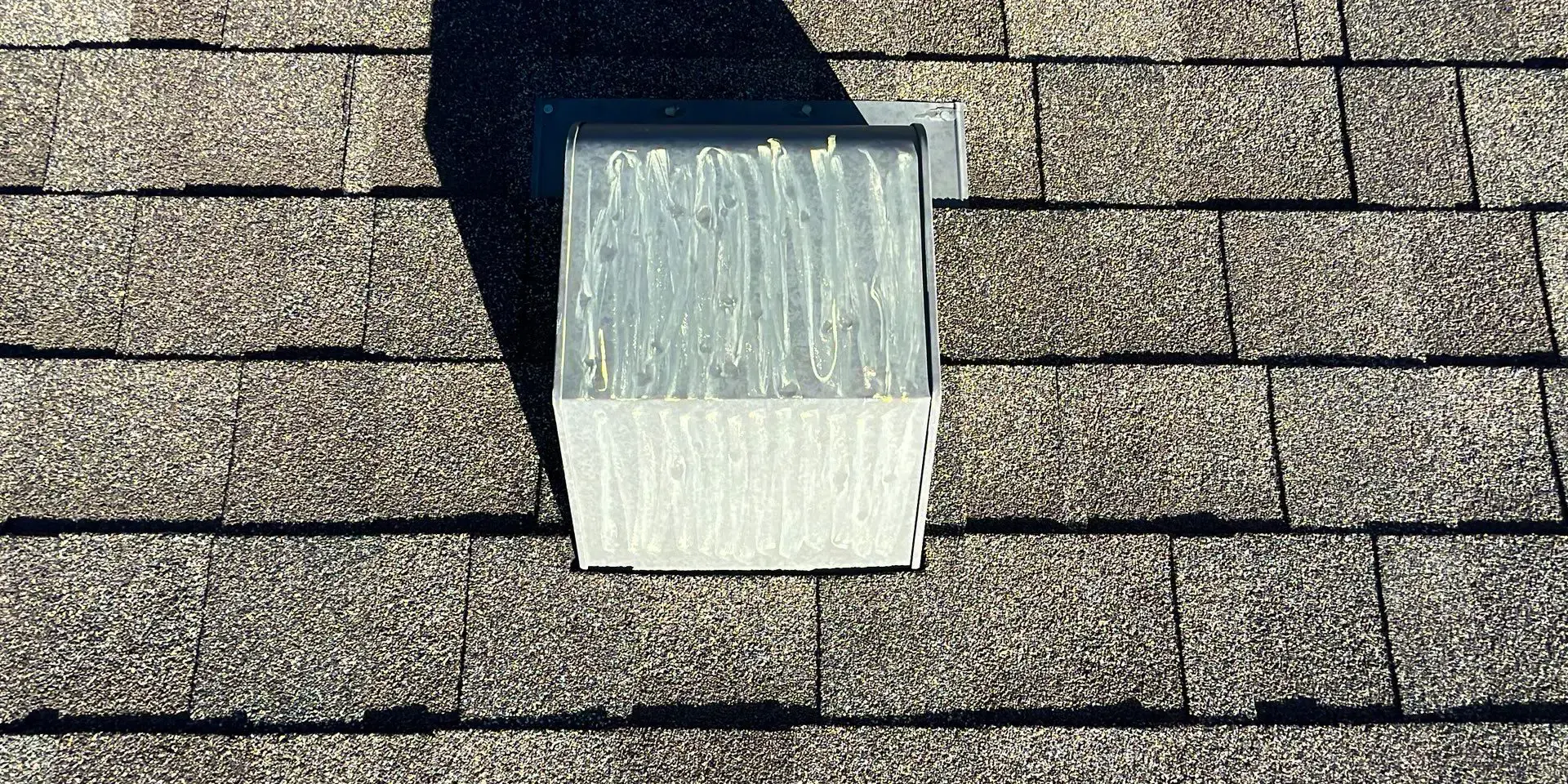
Dents in metal components such as flashing, vents, and gutters are strong indicators of hail impact severity. These elements often show damage before shingles do, serving as an early warning sign.
Cracked or missing shingles, along with debris accumulation around downspouts, signal that the roof has sustained significant stress during a storm.
Interior signs such as water stains on ceilings or walls often appear later, indicating that damage has already progressed beyond the exterior layer.
Why Immediate Roof Inspection After a Hailstorm Matters
Delaying inspection after a hail event increases the risk of escalating damage. Small fractures and granule loss may seem minor but can quickly develop into leaks, mold growth, and structural deterioration.
We emphasize prompt evaluation because insurance claims are time-sensitive. Documentation of damage immediately following a storm strengthens claim validity and ensures proper coverage.
A thorough inspection identifies both visible and hidden issues, including compromised underlayment and weakened support structures. Addressing these problems early prevents more extensive repairs and extends the overall lifespan of the roof.
The Long-Term Effects of Untreated Hail Damage
Ignoring hail damage leads to progressive degradation that affects the entire roofing system. Exposure to UV rays accelerates material breakdown, reducing durability and weather resistance.
Moisture intrusion becomes a primary concern as damaged areas allow water to seep beneath the surface. Over time, this can result in rot, insulation damage, and compromised structural integrity.
Energy efficiency also declines as gaps and weakened materials reduce the roof’s ability to regulate temperature. This leads to higher energy costs and reduced indoor comfort.
Ultimately, untreated hail damage shortens the roof’s lifespan significantly, often requiring full replacement much sooner than expected.
Choosing the Right Roofing Solution for Hail-Prone Areas
Selecting impact-resistant materials is one of the most effective ways to mitigate hail damage. Class 4 impact-rated shingles are specifically designed to withstand severe impacts without cracking or losing protective granules.
Metal roofing with reinforced coatings offers durability and resistance while maintaining aesthetic appeal. Advanced coatings help absorb impact energy and prevent surface damage.
Synthetic roofing materials provide a balance between strength and flexibility, allowing them to absorb hail impact without fracturing.
We guide homeowners toward solutions that align with both performance requirements and long-term investment value, ensuring resilience against Colorado’s harsh weather conditions.
Preventative Measures to Reduce Hail Damage Risk
Proactive maintenance plays a critical role in minimizing hail damage. Regular roof inspections identify vulnerabilities before storm season begins, allowing for timely repairs and reinforcement.
Proper attic ventilation and insulation help maintain structural stability, reducing the likelihood of damage during extreme weather events.
Tree trimming around the property prevents additional impact from falling branches during storms, which can compound hail damage.
Upgrading to impact-resistant materials during roof replacement provides long-term protection and often qualifies for insurance discounts.
Navigating Insurance Claims After Hail Damage
Filing an insurance claim after a hailstorm requires accurate documentation and a clear understanding of policy coverage. We ensure that damage assessments are detailed, including photographic evidence and professional evaluations.
Insurance adjusters rely on this documentation to determine claim validity and compensation. Clear communication and thorough reporting increase the likelihood of a successful claim.
Working with experienced roofing professionals simplifies the process, ensuring that all damage is identified and properly addressed within the claim.
Professional Roofing Services for Hail Damage Restoration
Effective restoration requires expertise in both damage assessment and repair techniques. A comprehensive approach includes inspection, documentation, repair or replacement, and preventative recommendations.
We ensure that every aspect of the roofing system is evaluated, from surface materials to underlying structures. This holistic approach guarantees that no hidden damage is overlooked.
For homeowners seeking reliable service in Littleton and surrounding areas, GCCS Roofing, LLC provides specialized roofing solutions designed to withstand Colorado’s demanding hail conditions.
Preparing Your Roof Before the Next Hail Season
Preparation is the most effective defense against future storms. Scheduling pre-season inspections allows for early detection of weaknesses and necessary reinforcements.
Upgrading vulnerable components such as flashing, vents, and shingles enhances overall resilience. Investing in durable materials ensures long-term protection and reduces the frequency of repairs.
We prioritize proactive strategies that strengthen roofing systems before hail season begins, minimizing risk and maximizing performance.
CONCLUSION
Hail season in Colorado presents a consistent and significant threat to roofing systems. Understanding how hail forms, how it damages different materials, and how to respond effectively ensures long-term protection and cost efficiency. Through timely inspections, strategic material selection, and professional restoration, we maintain roofing systems that withstand the region’s most severe weather conditions while preserving structural integrity and property value.