Comparing Metal Roofs and Impact-Rated Asphalt Shingles for Winter Performance
How Winter Weather Challenges Roofing Materials
Winter climates expose roofing systems to a combination of heavy snow loads, freeze-thaw cycles, wind gusts, and ice dam formation. In regions where snow accumulates seasonally and temperatures swing rapidly, roofs must not only keep moisture out but also manage thermal stress, shedding loads safely to avoid structural strain. Snow shedding, wind uplift resistance, thermal movement, and long-term durability are critical factors when comparing metal roofs against Class 4 impact-rated asphalt shingle systems under winter conditions.
Snow Shedding and Ice Dam Prevention
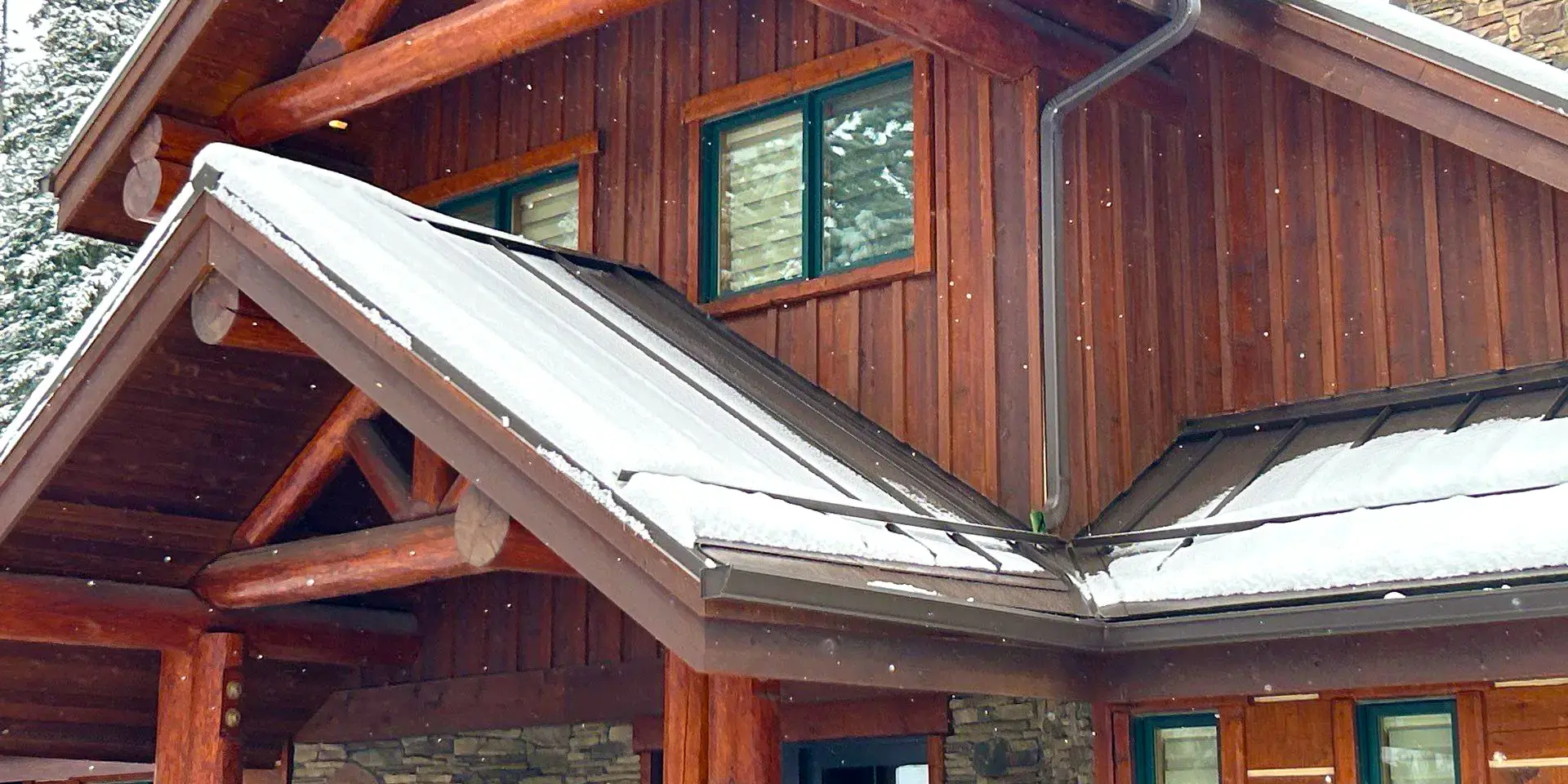
Metal roofing stands out for its smooth, low-friction surface that allows snow and ice to slide off more readily than granulated asphalt shingles. This characteristic reduces the time snow remains on the roof, lowering the risk of ice dams developing at eaves where meltwater refreezes and backs up under shingles. Snow guards and strategically installed barriers can be incorporated into metal roofs to control snow movement and protect gutters and landscaping. In contrast, Class 4 asphalt shingles rely on proper attic insulation and ventilation to manage roof surface temperatures, which helps minimize meltwater accumulation and ice dam issues. With balanced ventilation and adequate insulation, impact-resistant asphalt shingles offer dependable performance, though they inherently retain more snow than metal panels.
Wind Uplift and Structural Stability
Roofing systems in high-wind winter zones encounter uplift forces that test the attachment and strength of materials. Standing-seam metal roofs with concealed fastening systems and interlocking panels deliver strong resistance against uplift, often exceeding standardized wind ratings. These features help metal panels remain secure during winter storms and gusty conditions. Class 4 asphalt shingles also provide robust wind performance when installed with reinforced edges and proper nailing patterns, meeting strict impact and uplift testing standards. Both systems can be effective when installed by experienced roofing professionals, but metal panels typically offer a slight advantage in extreme uplift scenarios due to their integrated design
Thermal Movement and Material Response to Cold
Roofing materials must cope with contraction and expansion as temperatures fluctuate. Metal roofing expands and contracts with temperature changes, but modern installation techniques and fastening systems are engineered to accommodate these movements without compromising the weather-tight seal. Class 4 asphalt shingles, with their layered granule surface and reinforced mat, are engineered to maintain flexibility in cold weather, resisting cracking and brittleness that can arise in lower-grade shingles. Both materials, when specified correctly for the climate and installed with attention to thermal considerations, can withstand freeze-thaw cycles without significant performance loss.
Longevity and Lifecycle Performance
When evaluating long-term performance, metal roofing systems generally outlast asphalt shingle options. Metal roofs can deliver service life spans of several decades — often 40-plus years — with minimal maintenance, and they are frequently recyclable at the end of their useful life. Class 4 asphalt shingles, engineered for impact resistance, typically provide extended durability compared to standard asphalt shingles, with manufacturer lifespans in the range of a few decades. Over time, asphalt shingles may require more routine maintenance or replacement, particularly in climates with large temperature variances. Life expectancy, maintenance frequency, and material recyclability are all considerations that impact total lifecycle cost and performance
Energy Efficiency in Cold Climates
Reflective and thermal performance play essential roles in roofing efficiency during winter months. Metal roofs with reflective coatings can help moderate attic temperatures, reducing the formation of heat pockets that contribute to uneven snow melt and ice dam formation. Meanwhile, asphalt shingle roofs with impact-resistant Class 4 ratings often include granules that contribute to heat absorption and retention, which can assist in maintaining attic warmth but may accelerate melt cycles if insulation and ventilation are inadequate. Ensuring proper roof system design, including underlayment and insulation layers, is key to achieving balanced energy performance in winter climates.
Cost Considerations and Investment Value
Initial cost differences between metal roofing and Class 4 asphalt shingle systems are significant. Asphalt shingles generally require lower upfront investment, making them an appealing choice for budget-conscious homeowners. Metal roofing tends to cost more initially due to material and installation complexity, but the extended service life and reduced maintenance often translate to greater value over time. Factoring in energy performance, durability, and long-term replacement cycles helps homeowners assess overall return on investment for their specific winter climate needs.
Installation Best Practices for Winter Roofs
Proper installation practices are critical to maximizing performance for both metal and Class 4 asphalt roofs. A professional contractor should ensure secure attachment, correct flashing details, adequate underlayment, and ventilation systems that work with the chosen roofing material to manage moisture and heat flow. Regardless of material choice, attention to roof deck preparation, snow and ice management features, and drainage planning will contribute to a winter-ready roofing solution. Investing in a comprehensive installation and inspection process protects both the roof and the home beneath it over the long term.
Conclusion
Both metal roofing and Class 4 impact-rated asphalt shingle systems offer reliable performance in winter conditions when designed and installed correctly. Metal roofs excel in rapid snow shedding, wind uplift resistance, and extended service life, while impact-resistant asphalt shingles provide cost-effective protection with solid insulation and weather resistance. Homeowners in climates with heavy snow, cold temperatures, and fluctuating weather should weigh their priorities — whether longevity, upfront cost, energy efficiency, or maintenance needs — to choose the best roofing solution. A professional assessment by experienced roofers like GCCS Roofing, LLC in Littleton, CO can help match the ideal system to your home’s winter demands.